
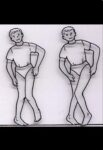
Key Features Bilateral lower limb spasticity Legs cross each other while walking (“scissoring”) Narrow-based gait Toe walking due to equinus deformity Flexed hips and knees Excessive hip adduction and internal rotation Short, slow steps Difficulty with balance and turning Cause Upper motor neuron lesion affecting both lower limbs Spasticity predominantly in hip adductors and hamstrings
-Gait
Stomping Gait
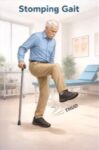
Stomping Gait Seen in sensory ataxia Patient lifts feet high and brings them down forcefully (“stamping”) Key Features Heavy heel strike / foot slapping Watches feet while walking Broad-based, unsteady gait Worse in darkness or when eyes closed Positive Romberg sign Cause Loss of proprioception (posterior column dysfunction)
Parkinsonian Gait
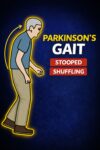
Parkinsonian Gait Seen commonly in Parkinson’s disease Also called festinating gait Key Features Stooped / flexed posture Head and neck bent forward Reduced arm swing (often asymmetrical) Short, shuffling steps Reduced foot clearance ? dragging of feet Difficulty stopping once walking starts Narrow-based gait
Hemiplegic Gait

Hemiplegic Gait Seen in patients with unilateral upper motor neuron lesions Common after Stroke Key Features Circumduction gait (“swinging” leg outward) Stiff, extended lower limb Plantarflexed and inverted foot Reduced knee flexion during swing phase Ipsilateral arm flexed, adducted, and pronated Slow, asymmetric walking pattern
Diagnosing Gait Abnormalities In Kids
Courtesy: Dr. Atul Bhaskar, Dr Ashok Shyam, Ortho TV Gait Disorders in Children Overview Gait disorders are common presentations in pediatric orthopaedic and neurological practice Advanced technologies include: AI-based gait analysis 3D gait laboratories Motion analysis systems Key Limitation of Technology These tools: Identify gait patterns Do NOT determine the underlying cause Measured Parameters […]
Gluteus Maximus Gait

Courtesy: Prof Nabil Ebraheim, University of Toledo, Ohio, USA Gluteus Maximus Gait (Gluteus Maximus Lurch) Definition Gluteus maximus gait occurs due to: Weakness or paralysis of the gluteus maximus muscle Characterized by: Backward trunk lurch during walking Mechanism of Gait During Heel Strike (Affected Side) Patient lurches trunk backward Purpose of Compensation Prevents forward […]
Painful and Antalgic Gait
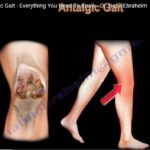
Courtesy: Prof Nabil Ebraheim, University of Toledo, ohio, USA Antalgic Gait (Painful Gait) Definition Antalgic gait is a pain-avoidance gait pattern Occurs when a patient: Reduces weight-bearing on a painful limb Minimizes time spent on the affected side Normal Gait Pattern (For Comparison) Phases of Gait Stance phase: ~60% Swing phase: ~40% Normal Characteristics […]
Biomechanics of Gait and Pathological Gait
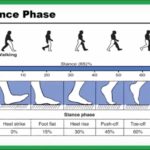
Courtesy: Lee Wallace PhD, SPorts Science Solutions
Understanding and Analyzing Gait For The Clinician
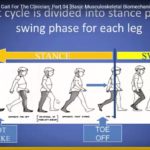
Courtesy:Michael Sussman MD and www.global-help.org
Computer Based 3D analysis of Gait
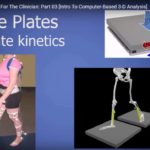
Courtesy: MIchael Sussman MD, and www.global-help.org Three-Dimensional Gait Analysis Overview 3D gait analysis is an advanced method to study human walking objectively Widely used in: Research Outcome studies Surgical planning Clinical Relevance Helps evaluate: Treatment outcomes Functional improvement Disease progression Key Concept Even without access to a gait lab: Clinical observation remains essential Definition […]
Assessment of Pathological Gait
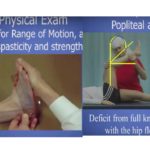
Courtesy: Michael Sussmanand www.global-help.org Physical Examination in Ambulatory Cerebral Palsy Patients with Gait Abnormalities Overview Before gait analysis, clinicians must perform: Detailed history Focused lower limb examination Specific clinical tests Purpose Identify: Structural deformities Muscle tone abnormalities Functional limitations Initial Observation First Step Observe the patient walking Assess Strength Stamina Balance Major deformities Key […]
Understanding and Analysing Gait
Courtesy: Michael Sussman, MD, Portland, Oregon and global helo Introduction to Clinical Gait Analysis Overview Clinical gait analysis focuses on understanding normal walking patterns Essential for: Identifying abnormalities Planning treatment Core Principle Understanding normal gait = key to diagnosing abnormal gait Clinical Importance Gait abnormalities are often the primary functional issue in many conditions […]
Biomechanics of Gait
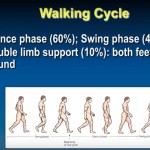
Courtesy: Mary Lloyd Ireland M.D. Associate Professor University of Ketucky Lexington, KY, USA Biomechanics of Gait Overview Understanding gait biomechanics is essential for: Walking Running Return to sports after injury Clinical Importance Restoration of normal foot and ankle motion is critical for: Functional recovery Normal gait pattern Basic Gait Cycle Phases Phase Percentage Stance Phase […]
In toeing Gait

Courtesy: Dr Amr Abdelgawad, Paediatric Orthopaedic Surgeon,University of Texas, USA Intoeing in Children Overview Intoeing is a common pediatric gait pattern where: Feet point inward during walking Also known as: “Pigeon-toed gait” Clinical Importance One of the most common reasons for pediatric orthopaedic consultation Most cases are: Physiological Self-resolving Objectives of Evaluation Understand normal […]
Gluteus Maximus Gait
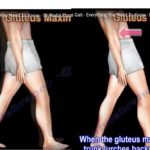
Courtesy:Prof Nabile Ebraheim, Chairman, Dept of Orthopaedics and Trauma, University of Toledo, United States. Gluteus Maximus Gait (Gluteus Maximus Lurch) Normal Gait (For Comparison) During normal walking: Trunk remains upright and stable Hip extensors (especially gluteus maximus) control: Forward movement of trunk at heel strike Definition Gluteus maximus gait occurs due to: Weakness of […]