
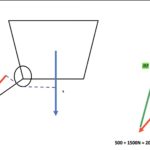
Courtesy: Rishi Dhir, FRCSOrth, Consultant Orthopaedic and Upper Limb Surgeon, Princess Alexandria Hospital, Harlow, UK Overview Biomechanics forms the foundation of understanding movement, load transmission, and joint function in Orthopaedics. These principles are essential for: Injury analysis Surgical planning Implant design Clinical decision-making Force Definition A force is a load acting across a particular area. […]
-FRCS(Tr and Orth) tutorials
Rheumatoid Hand and Wrist for the FRCSOrth
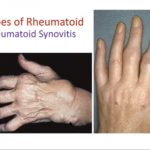
Courtesy: Saurabh Aggarwal, Princess Royal University Hospital, London, UK Definition Rheumatoid arthritis is a chronic systemic inflammatory disease characterized by symmetrical inflammatory polyarthritis. It predominantly affects the small joints of the hands, feet, and wrists. Symptoms persist for more than 6 weeks and are associated with characteristic laboratory abnormalities. Pathogenesis The disease begins with […]
Modernization of Ankle Fracture Management
Courtesy: Dr Jordi Sanchez Ballester, FRCS Orth, Liverpool, UK Initial Clinical Assessment History and Examination A thorough history and clinical examination are essential in evaluating ankle injuries. Typical Presentation Painful, swollen ankle History of inversion or eversion injury Differential Diagnosis When assessing ankle trauma, always consider: Ligament injuries Tendon injuries Osteochondral lesions Syndesmotic injuries Fractures […]
Must-Know MCQs for the FRCS Orth- Hip Arthroplasty
Courtesy: Zaid Al-Rub, Founder and CEO, OrthoPass Periprosthetic Joint Infection (PJI) Clinical Scenario Elderly patient with persistent pain following total hip replacement. Diagnostic Criteria (International Consensus Meeting – ICM) Minimum criteria suggesting infection (>6 weeks after surgery): ESR > 30 mm/hr CRP > 10 mg/L Synovial WBC count > 3000 cells/µL Synovial PMN percentage > […]
Knee Arthroplasty MCQs for the FRCS Orth

Courtesy: Zaid Al-Rab, Founder, OrthoPass, Leeds, UK Overview Catastrophic polyethylene wear is a serious complication in total knee replacement, often leading to implant failure. Contributing Factors 1. Surgical Factors Component malalignment Instability Poor ligament balancing 2. Patient Factors High activity levels Obesity 3. Polyethylene Factors Thin inserts Sterilization method Implant design Critical Threshold Polyethylene thickness […]
Must-Know MCQs for the Fellowship Exam

Courtesy: Zaid Al-RUb, FRCS Orth, Founder, OrthoPass Courtesy: Zaid Al-Rub, Founder and CEO, OrthoPass Gap Balancing in Total Knee Replacement Scenario Primary Total Knee Replacement (TKR). After distal femur and proximal tibial cuts: Extension gap – tight Flexion gap – balanced First Step Posterior capsule release Principles of Gap Balancing Rule 1: Address soft tissue before additional […]
Generation of Xrays

Courtesy: Rishi Dhir, FRCS Orth, Lets Talk Dr, UK
How to Draw Limb Bud?

Courtesy: Rishi Dhir, FRCS Orth, UK
Upper Limb Trauma Case Studies- London Hand and Wrist Course
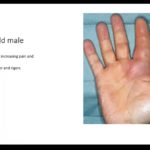
Courtesy: Rishi Dhir, London Hand and Wrist Course FRCS Trauma Viva: Structure and High-Yield Cases Structure of the Trauma Examination Two Core Components 1. Decision-Making Component Focuses on: Diagnosis Initial management Risk assessment Indications for surgery 2. Operative Component Covers: Surgical techniques Approaches Complication management Key Objective Assess whether the candidate is safe to practice […]
London Hand and Wrist #FRCS Course
Courtesy: Saurabh Agarwal, Faculty, Consultant, Princess Royal University Hospital, London, UK Rishi Dhir, Faculty, Consultant, Princess Alexandra Hospital, Harlow, UK Hitesh Gopalan, Program Chair, London Upper Limb FRCS Course; Editor, Orthopaedic Principles Arjun Naik, Clinical Fellow, Kings College, NHS Trust
Upper Limb Anatomy, Approaches and Case Discussions

Courtesy: Saurabh Agarwal, FRCS Orth, Upper Limb FRCS Course, Princess Royal University Hospital, London, UK
Basic Science for the FRCSOrth
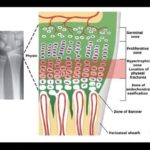
Courtesy: Rishi Dhir, FRCS Orth, Consultant Upper Limb Surgeon, Princess Alexandra Hospital, Harlow, UK Genetics Chromosome Structure Basic Components Chromosomes are nuclear structures containing genetic material composed of: DNA RNA Histone proteins Non-histone proteins Human Karyotype Total: 46 chromosomes 22 pairs of autosomes 1 pair of sex chromosomes Sex Chromosomes XX – Female XY – […]
Upper Limb Anatomy, Approaches, Case Studies
Courtesy: Dr Saurabh Agarwal, London, UK
Hallux Rigidus for the FRCSOrth
Courtesy: Baljinder Dhinsa, FRCS Tr and Orth, Kent, UK Definition Hallux rigidus is a painful degenerative condition of the first metatarsophalangeal (MTP) joint. Key Features Restricted range of motion (especially dorsiflexion) Periarticular osteophyte formation Progressive degenerative arthritis Terminology Hallux limitus Dorsal bunion Metatarsus primus elevatus Hallux rigidus is preferred as it reflects global joint stiffness […]
Paediatric Flatfeet and Claw toes

Courtesy: Dr Baljinder Dhinsa, Foot and Ankle Surgeon, London, UK Pes Planus / Planovalgus Definition Traditionally described as loss of the medial longitudinal arch. More complex deformity involving: Hindfoot valgus Subtalar joint subluxation Forefoot abduction Forefoot supination Possible Achilles tendon tightness Flexible Flatfoot Epidemiology Infants are normally born with flat feet. Development of the medial […]