
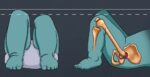
The Galeazzi test (also known as the Allis sign) is a clinical assessment used primarily in infants to identify developmental dysplasia of the hip (DDH) or a leg-length discrepancy. How the Test is Performed The infant is placed on a firm, flat surface in a supine position (lying on their back). Both hips and […]
-Examination
Clinical Examination of the Shoulder
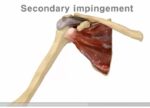
Courtesy: Prof Young Lae Moon, Seoul, South Korea Comprehensive Shoulder Physical Examination Orthopaedic Principles – Webinar Summary 1. Introduction A systematic shoulder examination is essential for accurate diagnosis and treatment planning. A structured, stepwise approach improves diagnostic precision and reduces missed pathology. Key focus: Cervical spine assessment Rotator cuff evaluation Shoulder instability assessment 2. Core […]
Knee Examination
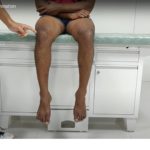
Courtesy: Ashok Shyam, Ortho TV Introduction Knee preservation procedures require careful integration of: Clinical examination Radiological analysis Alignment evaluation Patient-specific functional demands Important surgical strategies discussed include: Osteotomy for malalignment Osteochondral reconstruction for cartilage defects Revision anterior cruciate ligament reconstruction Case One Varus Knee with Medial Compartment Pain Patient Profile Forty-two-year-old female Body mass index […]
Ideal Examination Of Hand

Courtesy: Dr. Abijit Wahegaonkar, Dr Ashok Shyam, Ortho TV Hand Neurological Examination Topic / Overview The three major nerves to assess in the hand are: Median nerve Ulnar nerve Radial nerve General Neurological Examination of the Hand Neurological examination – Motor + Sensory For each nerve, assess: Muscle function Muscle power Sensory distribution Autonomous […]
Neurological Examination Spinal Cord
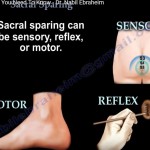
Courtesy: Prof Nabil Ebraheim, University of Toledo, Ohio, USA
Tests For Examination of the Lower Back
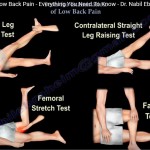
Courtesy: Prof Nabil Ebraheim, University of Toledo, Ohio, USA Clinical Examination of Low Back Pain Diagnostic Scope & Anatomical Generators Low back pain requires systematic clinical evaluation to distinguish among anatomical pain generators: Intervertebral discs Lumbar nerve roots Sacroiliac (SI) joints Facet joints Paraspinal musculature and ligaments 1. Straight Leg Raising (SLR) Test Clinical […]
Meniscal Tears Examination & Tests
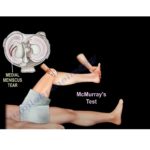
Courtesy: Prof Nabil Ebraheim, University of Toledo, Ohio, USA Meniscal Tear — Clinical Examination Tests Overview The meniscus acts as an important cushion between the femoral condyle and tibial plateau. A typical meniscal injury history includes: Twisting injury Medial or lateral joint-line pain Swelling/effusion Mechanical symptoms: Clicking Locking Catching Range of motion is usually normal, […]
Tests for Examination of the Shoulder
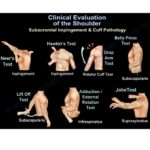
Courtesy: Prof Nabil Ebraheim, University of Toledo, Ohio, USA Clinical Evaluation of the Shoulder Overview History – Active & passive ROM – Differentiate shoulder from cervical pain – AC joint – Rotator cuff/subacromial pathology – Glenohumeral instability – Biceps/SLAP lesion General Evaluation Begin with: Detailed history Clinical examination Active range of motion Passive range of […]
Neurological Evaluation Of The Lumbar Nerve Roots.

Courtesy: Prof Nabil Ebraheim, University of Toledo, Ohio, USA Neurological Evaluation of Lumbar Nerve Roots Overview For any suspected lumbar nerve-root lesion, assess three things: Sensory changes 2. Motor changes 3. Reflex changes then works through L1, L2, L3, L4, L5, and S1 according to the level of disc herniation. L1 Nerve Root Disc level […]
Tests For Examination Of The Knee

Courtesy: Prof Nabil Ebraheim, University of Toledo, Ohio, USA
Neurological Evaluation Of The Lumbar Nerve Roots
Courtesy: Prof Nabil Ebraheim, University of Toledo, Ohio, USA Neurological Evaluation of Lumbar Nerve Roots Overview Assessment of a lumbar nerve root is based on three components: Sensory changes + Motor changes + Reflex changes roots from L1 to S1 and correlates them with the corresponding disc level. L1 Nerve Root Disc level T12–L1 disc […]
Tests For Examination of The Lower Back
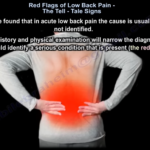
Courtesy: Prof Nabil Ebraheim, University of Toledo, Ohio, USA
Evaluation of S1 Nerve Root, Motor, Sensory and Reflex
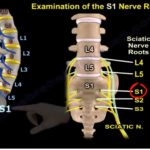
Courtesy: Prof Nabil Ebraheim, University of Toledo, Ohio, USA Examination of the S1 Nerve Root Overview S1 nerve-root examination into three parts: Sensory examination 2. Motor examination 3. Reflex examination It also compares S1 with L5 and explains how different types of disc pathology at the L5–S1 level may affect different roots. Sensory Examination For […]
Clinical Examination of the Shoulder
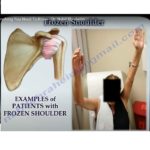
Courtesy: Prof Nabil Ebraheim, University of Toledo, Ohio, USA Shoulder Special Tests — High-Yield Clinical Note Acromioclavicular Joint Cross-Body Adduction Test Purpose: assessment of AC-joint pathology. Position Patient standing or sitting upright. Arm brought across the body. Technique Examiner pushes the affected elbow further across the body. Other hand palpates the AC joint. Positive […]
Examination of the Shoulder Muscles
Courtesy: Prof Nabil Ebraheim, University of Toledo, USA Scapular & Shoulder Muscle Examination Overview The transcript discusses injuries to several nerves arising from or related to the brachial plexus and the resulting muscle weakness and clinical findings. The major structures covered are: Long thoracic nerve – serratus anterior Spinal accessory nerve – trapezius/lateral scapular winging […]