
Key Features
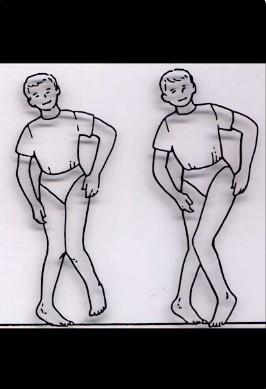
- Bilateral lower limb spasticity
- Legs cross each other while walking (“scissoring”)
- Narrow-based gait
- Toe walking due to equinus deformity
- Flexed hips and knees
- Excessive hip adduction and internal rotation
- Short, slow steps
- Difficulty with balance and turning
Cause
- Upper motor neuron lesion affecting both lower limbs
- Spasticity predominantly in hip adductors and hamstrings
Leave a Reply