
Courtesy: Dr. Atul Bhaskar, Dr Ashok Shyam, Ortho TV
Gait Disorders in Children
Overview
- Gait disorders are common presentations in pediatric orthopaedic and neurological practice
- Advanced technologies include:
- AI-based gait analysis
- 3D gait laboratories
- Motion analysis systems
Key Limitation of Technology
- These tools:
- Identify gait patterns
- Do NOT determine the underlying cause
Measured Parameters
- Pelvic tilt
- Joint angles
- Temporal and spatial gait characteristics
Core Principle
- Clinical observation remains fundamental
Basic Principles of Gait Assessment
Systematic Evaluation
- Essential in all children with abnormal gait
Causes of Abnormal Gait
- Genetic conditions
- Neuromuscular disorders
- Musculoskeletal abnormalities
- Trauma or fractures
Developmental Consideration
- Adult-like gait develops by ~7 years
- Variations are common before this age
Important Indicator
- Symmetry = key marker of normal gait
Clinical Case Examples
1. Painless Unilateral Limp in Toddler
Presentation
- 14-month-old child
- Painless limp
Clinical Clues
- Asymmetry of:
- Thigh creases
- Gluteal creases
Diagnosis
- Developmental Dysplasia of the Hip (DDH)
Features of DDH
- Asymmetric skin creases
- Limp or waddling gait
- Positive Galeazzi sign
Clinical Lesson
- Always:
- Examine hips
- Use basic imaging early
Important Insight
- Parental concerns (especially mothers) are often early indicators
2. Misdiagnosis Example
Scenario
- Child with:
- Excess lumbar lordosis
- Abnormal gait
Initial Suspicion
- Limb-girdle muscular dystrophy
Final Diagnosis
- Bilateral DDH (diagnosed late)
Lesson
- Do not skip:
- Basic examination
- X-ray
Toe Walking in Children
Overview
- Very common presentation
Types
- Physiological (idiopathic)
- Pathological
Associated Conditions
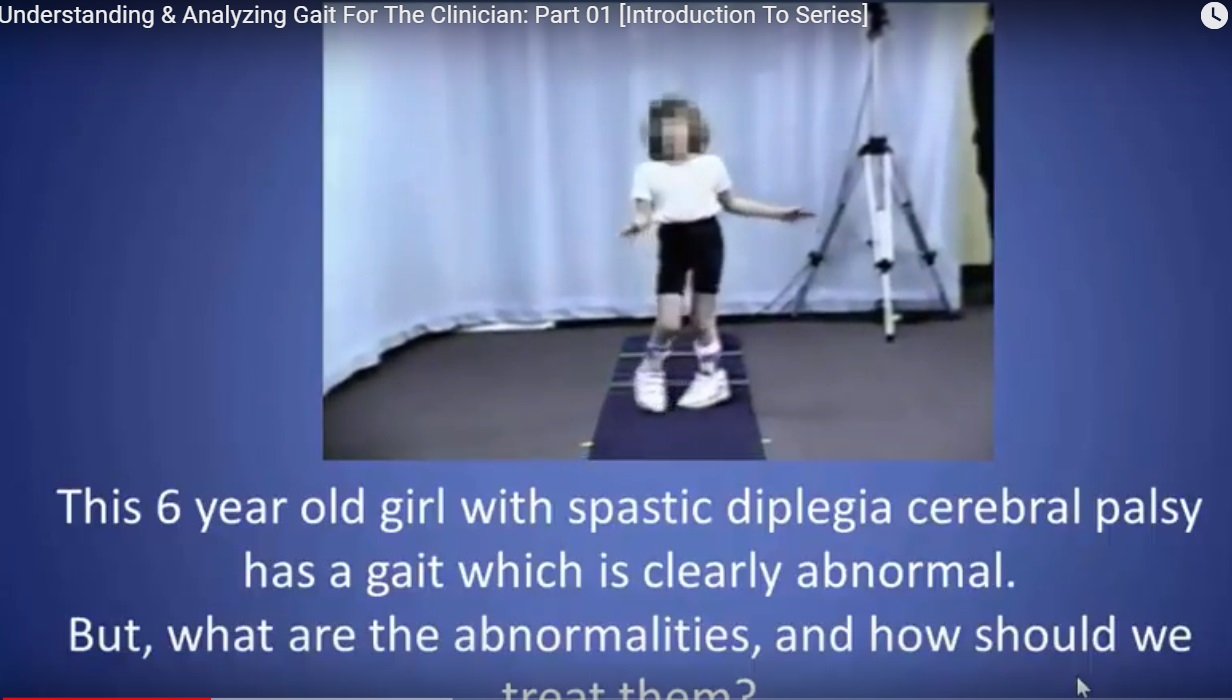
- Cerebral palsy (spastic diplegia, hemiplegia)
- Autism spectrum disorder
- ADHD
Clinical Approach
- Toe walking = symptom, not diagnosis
Evaluation Includes
- Neurological exam
- Musculoskeletal exam
- Developmental assessment
Red Flag
- Persistent toe walking >2 years
Management
- Physiotherapy
- Orthotics
- Serial casting
- Surgery (selected cases)
Bowlegs (Genu Varum)
Physiological Bowing
- Common up to 2 years
- Usually symmetrical
When to Investigate
- Persistence beyond 2 years
- Asymmetry
- Progressive deformity
- Growth abnormalities
Causes of Bowlegs
- Physiological genu varum
- Achondroplasia
- Blount disease (tibia vara)
- Metaphyseal dysplasia
Example: Early Blount Disease
Presentation
- Asymmetric bowlegs
Management
- Growth modulation
- Corrective osteotomy
Outcome
- Early treatment — normal alignment
Key Lesson
- Asymmetry = pathology until proven otherwise
Supination Gait in Adolescent Athlete
Presentation
- 15-year-old athlete
- Supination of one foot
Management
- Multilevel corrective osteotomy
Outcome
- Improved gait
- Return to sports
Key Takeaways
- Clinical observation is most important tool
- Advanced gait labs are adjuncts, not replacements
Red Flags in Pediatric Gait
- Asymmetrical gait
- Persistent toe walking
- Unilateral limp
- Asymmetric bowlegs

Leave a Reply