
Princess Royal University Hospital, Upper Limb FRCS Course Venue: London, UK Dates: November 21, 2021 FRCS London
Stress Fractures of the Calcaneus
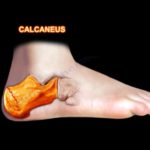
Courtesy: Prof Nabil Ebraheim, University of Toledo, Ohio, USA
Recent trends in Achilles Tendon Pathology and Injuries
Courtesy: Paul Kim MD, California Orthopaedics and Spine, California, USA
Cerebral Palsy and Hip Manifestations
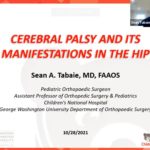
Courtesy: Sean Tabaie, MD, FAAOS, George Washington University, Washington DC, USA Cerebral Palsy and Hip Involvement Introduction Cerebral palsy (CP) is one of the most common causes of childhood physical disability and frequently affects the musculoskeletal system. Hip involvement is a major source of: Pain Functional limitation Difficulty with sitting and hygiene Reduced quality […]
Stress Fractures of the Foot
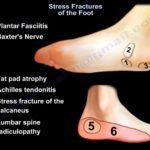
Courtesy: Prof Nabil Ebraheim, University of Toledo, Ohio, USA
Trans Osseous Rotator Cuff Repair
Courtesy: Shigehito Kuroda, MD, Past President, Japanese Shoulder Society
Cartilage Injuries and Healing
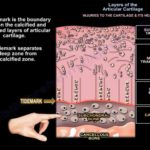
? Courtesy: Prof Nabil Ebraheim, University of Toledo, Ohio, USA Layers of the Articular Cartilage and Cartilage Healing Introduction: Does Articular Cartilage Heal After Injury? Articular cartilage has a very limited capacity for healing. The ability of cartilage to heal depends on the depth of the injury and whether it reaches the underlying bone. Because […]
Layers and Composition of Cartilage
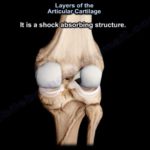
Courtesy: Prof Nabil Ebraheim, University of Toledo, Ohio, USA Layers of Articular Cartilage The articular cartilage is avascular, meaning that it does not have a blood supply and does not have nerves. It is a shock absorbing structure. Bone is made first, so bone contains collagen Type I. Cartilage is made after the bone, […]
The Aged Disc
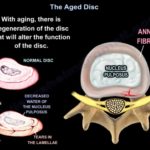
Courtesy: Prof Nabil Ebraheim, University of Toledo, Ohio, USA
Meniscal Allograft Transplantation

Courtesy: Alberto Grassi MD, Associate Professor, Rizzoli Orthopaedic Institute, Bologna, Italy Introduction A webinar session featured an orthopedic surgeon specializing in knee ligament injuries, meniscal disorders, and sports traumatology. The speaker has extensive clinical and research experience in knee surgery and sports medicine, with numerous peer-reviewed publications and academic contributions. The presentation focused on meniscal […]
Intramedullary Compression Fixation of Metacarpal and Phalangeal Fractures
Courtesy: Marco Guidi MD, University Hospitals Zurich, Switzerland Introduction Intramedullary fixation is an emerging minimally invasive technique for managing fractures of the metacarpals and phalanges. It serves as an alternative to plate fixation, though treatment choice must always be guided by: Fracture pattern Stability requirements Soft-tissue considerations Limitations of Plate Fixation Common Complications Finger stiffness […]
Alignment Options in Total Knee Replacement
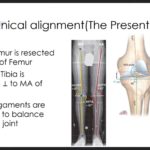
Courtesy: Suresh Cheppaly MD, MS, Assistant Professor, University of New Mexico, Albuquerque, New Mexico, USA
Morton’s Neuroma: Evaluation and Treatment
Courtesy: Turab Syed, FRCS Orth, Scotland, UK
MSK Radiology for Upper Limb Conditions
Courtesy: Dr Subhasis Basu, MSK Radiologist, Wrightington Hospital, UK
Robotic Knee Replacement
Courtesy: Ravi Teja RudraRaju, MD, Sydney Orthopaedic Research Institute, Syndey, Australia