

Courtesy: Dr Nirav Pandya, MD, Chief of Paediatric Orthopaedics, UCSF, San Francisco PATELLAR INSTABILITY Epidemiology 8 cases / 100,000 in general population 43 cases / 100,000 in pediatric population!!! MOST COMMON ACUTE KNEE Diagnosis 2ND MOST COMMON CAUSE OF HEMARTHROSIS Age 15 is peak incidence Females age 10 – 17 = highest ANATOMY: WHAT […]
“Bone Loss” in Young Arthritic Shoulders
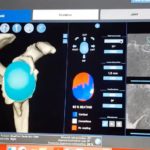
Courtesy: Puneet Monga, FRCS Orth, Clinical Director, Wrightington Upper Limb Unit, Wrightington, UK
Unicondylar Knee Replacement
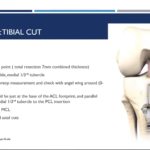
Courtesy: Pinak Shukla, MD, Arthroplasty Surgeon, California Orthopaedics and Spine, USA
Heel Pain in Adults
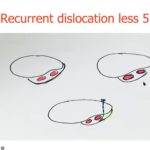
Courtesy: Jordi Sanchez- Ballester, Honorary Senior Lecturer, Liverpool, UK
Principles of Revision Knee Arthroplasty
Courtesy: Julian Costantini, Arthroplasty Surgeon, Italian Hospital of Buenos Aires, Buenos Aires, Argentina
Lesser Toe Deformities

Courtesy: Baljinder Dhinsa, FRCS Orth, Kent, United Kingdom
Medial Epicondylitis
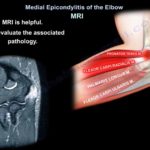
Courtesy: Prof Nabil Ebraheim, University of Toledo, Ohio, USA
Nerve Injury: Position of the Hand and Fingers
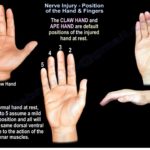
Courtesy: Prof Nabil Ebraheim, University of Toledo, Ohio, USA
ACL Ganglion Cyst, Meniscal Cyst, Baker cyst
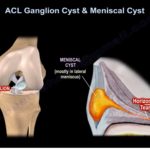
Courtesy: Prof Nabil Ebraheim, University of Toledo, Ohio, USA Overview Several types of cystic swellings can develop in and around the knee joint. The commonly encountered cystic conditions include: Ganglion cysts involving the cruciate ligaments Meniscal cysts Popliteal cysts, also known as Baker cysts These lesions differ in origin, location, clinical features, and management. Ganglion […]
Fractures of the Calcaneus
Courtesy: Prof Nabil Ebraheim, University of Toledo, Ohio, USA
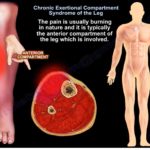
Chronic Exertional Compartment Syndrome
Courtesy: Prof Nabil Ebraheim, University of Toledo, Ohio, USA Chronic Exertional Compartment Syndrome
De Quervain’s Syndrome

Courtesy: Prof Nabil Ebraheim, University of Toledo, Ohio, USA De Quervain’s Syndrome (De Quervain’s Tenosynovitis) Definition De Quervain’s syndrome is a stenosing tenosynovitis involving the first dorsal compartment of the wrist. The condition affects the tendons of: Abductor Pollicis Longus (APL) Extensor Pollicis Brevis (EPB) It commonly affects the dominant hand and is frequently […]
High Pressure Injection Injury of the Hand
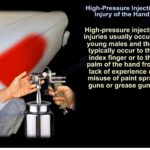
Courtesy: Prof Nabil Ebraheim, University of Toledo, Ohio, USA Introduction High-pressure injection injuries are severe hand injuries caused by accidental injection of material under high pressure into soft tissues. Common Causes Paint spray guns Grease guns Industrial high-pressure equipment Key Clinical Insight These injuries may appear minor externally but are true surgical emergencies due to […]
Upper Limb Trauma Case Studies- London Hand and Wrist Course
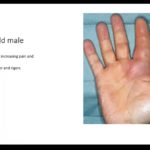
Courtesy: Rishi Dhir, London Hand and Wrist Course FRCS Trauma Viva: Structure and High-Yield Cases Structure of the Trauma Examination Two Core Components 1. Decision-Making Component Focuses on: Diagnosis Initial management Risk assessment Indications for surgery 2. Operative Component Covers: Surgical techniques Approaches Complication management Key Objective Assess whether the candidate is safe to practice […]
Open Treatment for Shoulder Instability

Courtesy: Anand Murthi MD, Professor of Orthopaedic Surgery, Georgetown University, Baltimore, USA