
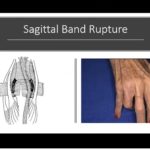
Courtesy: Rishi Dhir, FRCS Orth, Harlow, UK Overview Understanding normal biomechanics is essential before analyzing pathology of the hand and wrist. For conceptual learning, biomechanics can be divided into two major components: finger biomechanics and wrist and carpal biomechanics. Finger movement involves coordinated interaction between joints and muscular mechanisms. Joints of the Fingers Three major […]
Radiological Approach to Soft Tissue Bumps and Sarcomas

Courtesy: Alpesh Mistry, Honorary Lecturer, Liverpool University, UK
Shoulder Surgery 2021: Technology and Technique
Courtesy: Prof Frederick Matsen III, Past President, American Shoulder and Elbow Society Prof Deana Mercer, Scienitfic Chair, Ruth Jackson Orthopaedic Society
10 Tips for Successful Arthroscopic Bankart
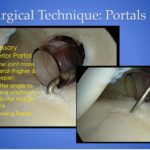
Courtesy: Paul Sethi MD, President ONS Foundation, Connecticut, US
Anterior Shoulder Instability: Diagnosis and Planning
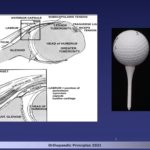
Courtesy: Sameer Nagda, Virginia, USA
MIS Bunion Correction
Courtesy: Noman Siddiqui, Fellowship Director, Rubin Institute of Advanced Orthopaedics, Baltimore, Maryland, USA
London Hand and Wrist #FRCS Course
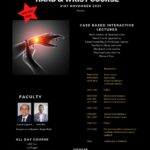
Courtesy: Saurabh Agarwal, Faculty, Consultant, Princess Royal University Hospital, London, UK Rishi Dhir, Faculty, Consultant, Princess Alexandra Hospital, Harlow, UK Hitesh Gopalan, Program Chair, London Upper Limb FRCS Course; Editor, Orthopaedic Principles Arjun Naik, Clinical Fellow, Kings College, NHS Trust
Managing Chronic Non Specific Complex MSK Pain in Children

Courtesy: Alwyn Abraham, MB ChB, FRCS, Head of Trauma Services, University of Leicester, Leicester, UK Chronic Non-Specific Musculoskeletal Pain in Children Introduction Chronic musculoskeletal (MSK) pain is a common presentation in pediatric orthopedic practice. In many children, pain occurs without a clearly identifiable structural abnormality on imaging or physical examination. These conditions can be […]
Advances in Rotator Cuff Management
Courtesy: Alexandre Lädermann MD, Faculty of Medicine, University of Geneva, Switzerland
Robotic Spine Surgery
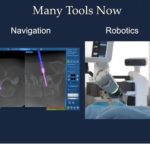
Courtesy: Jamal Shillingford, California Orthopaedics and SPine, California, USA
Carpal Instability, Injuries and Perilunate Dislocations
Courtesy: Saurabh Agarwal, Consultant, UK Introduction Perilunate injuries involve disruption of the ligamentous and bony relationships between the lunate, adjacent carpal bones, and the distal radius. These injuries represent severe wrist trauma and can lead to persistent pain, instability, and functional impairment if not recognized early. Perilunate and lunate dislocations together account for the majority […]
Management of Knee Dislocation: Emergency to Final Treatment
Courtesy: Prof Michael Hantes MD, PhD, Secretary General, ESSKA Professor of Orthopaedics, Larissa, Greece
Step-by-Step Approach to Hip Arthroscopy
Courtesy: Dr Leandro Alves de Oliveira MD, COT Goiânia, Brazil Hip Arthroscopy: Principles and Surgical Technique Introduction Hip arthroscopy is a minimally invasive surgical procedure used to diagnose and treat various intra-articular and periarticular hip disorders. Common indications include: Femoroacetabular impingement (FAI) Labral tears Chondral lesions Loose bodies Synovial pathology Hip arthroscopy has become […]
Skin & Soft Tissue Condition in Calcaneal Fractures
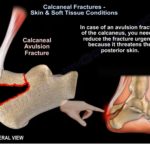
Courtesy: Prof Nabil Ebraheim, University of Toledo, Ohio, USA Introduction Calcaneal fractures are associated with a high risk of soft tissue complications because the heel has a thin soft tissue envelope and limited vascularity. The condition of the skin and soft tissues often determines: Timing of surgery Choice of surgical approach Final outcome High Risk […]
Shoulder Instability: Case Based Learning

Courtesy: Paul Sethi MD, Connecticut Raffy Mirzayan, California Joseph Abboud, Rothmans, Philadelphia