

Courtesy: Saurabh Agarwal, FRCS Orth, Upper Limb FRCS Course, Princess Royal University Hospital, London, UK
20 Years Experience of Treating FAI

Courtesy: Prof Giancarlo Polesello, MD, PhD,Sao Paolo, Brazil President, Brazilian Hip Society Hip Arthroscopy: Practical Lessons in Femoroacetabular Impingement Overview Hip arthroscopy has evolved substantially and is now an established treatment option for appropriately selected patients with symptomatic intra-articular hip disorders. The procedure is technically demanding because the hip is a deep joint with: […]
Basic Science for the FRCSOrth
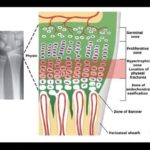
Courtesy: Rishi Dhir, FRCS Orth, Consultant Upper Limb Surgeon, Princess Alexandra Hospital, Harlow, UK Genetics Chromosome Structure Basic Components Chromosomes are nuclear structures containing genetic material composed of: DNA RNA Histone proteins Non-histone proteins Human Karyotype Total: 46 chromosomes 22 pairs of autosomes 1 pair of sex chromosomes Sex Chromosomes XX – Female XY – […]
MRI of the Knee
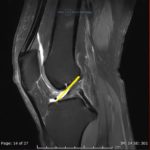
Courtesy: Syed Intikhab Alam, MD, Consultant Radiologist, Hamad General Hospital, Doha, Qatar
The Aging Disc
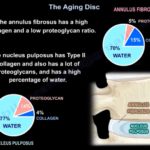
Courtesy: Prof Nabil Ebraheim, University of Toledo, Ohio, USA
Spine Exam, Neck & Upper Extremity
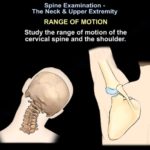
Courtesy: Prof Nabil Ebraheim, University of Toledo, Ohio, USA Cervical Spine & Upper Extremity Examination Overview The cervical spine examination follows the usual orthopaedic sequence: Inspection – Palpation – Range of motion – Strength – Neurovascular examination – Specific tests – Gait The aim is not only to identify cervical pathology, but also to […]
Flexor Tendon Injuries Treatment
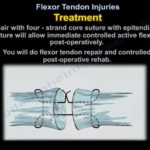
Courtesy: Prof Nabil Ebraheim, University of Toledo, Ohio, USA Flexor Tendon Injuries – Treatment & Rehabilitation Overview Flexor tendon injuries require: Early diagnosis Timely repair Structured rehabilitation Goals of treatment: Restore tendon gliding Preserve finger motion Recover hand function Successful outcomes depend on: Strong repair technique Protection of repair Supervised hand therapy Timing of […]
Flexor Tendon Injuries
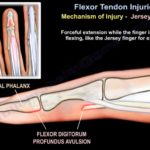
Courtesy: Prof Nabil Ebraheim, University of Toledo, Ohio, USA
Physical Exam of the Lower Spine & Lower Extremity
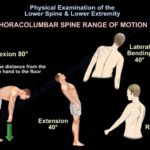
Courtesy: Prof Nabil Ebraheim, University of Toledo, Ohio, USA Physical Examination of the Lower Spine and Lower Extremity Overview The examination follows the usual orthopaedic sequence: Inspection – Palpation – Range of motion – Muscle strength – Provocative/special tests -Thorough neurovascular examination The neurological component should assess motor, sensory, reflexes, and upper motor neuron […]
HIV in Orthopaedics

Courtesy: Prof Alfonso Manzotti, MD, Chief of Orthopaedics, Luigi Sacco Hospital, Milan, Italy HIV in Orthopaedics Overview Human Immunodeficiency Virus (HIV) remains a major global health concern Advances in treatment have: Improved survival Transformed HIV into a chronic manageable disease Orthopaedic Relevance Focus has shifted to: Chronic complications Bone health Infection risk Epidemiology Affects […]
Instability in Total Hip Replacement
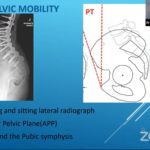
Courtesy: Dr Prabhudevprasad Purudappa, MD Instability in Total Hip Replacement (THR) Overview Instability remains one of the most common and challenging complications following total hip replacement. Complication rates after primary total hip arthroplasty (THA) range from 2% to 10%, with the most frequent causes being: Aseptic loosening – 36.5% Dislocation – 17.7% Infection – 15.3% […]
Image Quiz 17
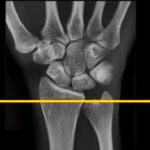
Follow our twitter handle for the right answer, Click here
Management of AC Joint Dislocations

Courtesy: Dr Arpit Jariwala, FRCS Orth, MCh, MRCS Ed, MS, MD
Image Quiz 16
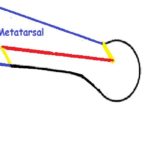
Follow our twitter handle for the right answer, https://bit.ly/imagequiz16
Brumback Classification of Femoral Head Fractures

? Orthopaedic Principles Shorts Channel Type 1: posterior hip dislocation with fracture of femoral head involving inferomedial (non weight bearing) portion of femoral head. Type 1A, with minimal or no fracture of acetabular rim and stable hip joint after reduction. Type 1B, with significant acetabular fracture and hip joint instability. Type 2: posterior hip dislocation […]