
PG Degree Examinations in Orthopaedics (MS) – May 2013 The Book Paper I – Basic Sciences Applied to Orthopaedics & Traumatology Essays: Discuss briefly the blood supply of talus. Describe in detail clinical features, classification and management of talus fracture Short Essays: Vitamin D resistant rickets. Hyaline cartilage Joint lubrication DVT prophylaxis Duchenne muscular dystrophy […]
PG Exam Questions 2012
PG Degree Examinations in Orthopaedics (MS) – June 2012 The Book Paper I – Basic Sciences Applied to Orthopaedics & Traumatology Essays: Describe the extensor mechanism of knee joint. Discuss the aetiology, diagnosis and management of recurrent dislocation of patella. https://orthopaedicprinciples.com/patellar-instability-in-children-and-adolescents/ Short essays: Growth plate anatomy and its functions Differentiate between osteopenia and osteoporosis Glasgow […]
Grand Piano Sign
Diplegic Gait
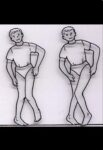
Key Features Bilateral lower limb spasticity Legs cross each other while walking (“scissoring”) Narrow-based gait Toe walking due to equinus deformity Flexed hips and knees Excessive hip adduction and internal rotation Short, slow steps Difficulty with balance and turning Cause Upper motor neuron lesion affecting both lower limbs Spasticity predominantly in hip adductors and hamstrings
RAMP Lesions of the Meniscus
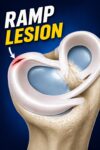
Ramp Lesion of Meniscus Definition Peripheral tear at the posteromedial attachment of the medial meniscus Usually involves: Meniscocapsular junction Meniscotibial ligament Commonly associated with Anterior cruciate ligament injury Key Features Typically occurs with ACL tears Causes increased anteroposterior and rotational instability Often missed on routine MRI and arthroscopy Best visualized through posteromedial arthroscopic portal
Stomping Gait
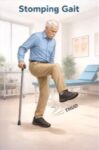
Stomping Gait Seen in sensory ataxia Patient lifts feet high and brings them down forcefully (“stamping”) Key Features Heavy heel strike / foot slapping Watches feet while walking Broad-based, unsteady gait Worse in darkness or when eyes closed Positive Romberg sign Cause Loss of proprioception (posterior column dysfunction)
Parkinsonian Gait
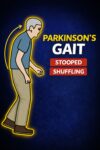
Parkinsonian Gait Seen commonly in Parkinson’s disease Also called festinating gait Key Features Stooped / flexed posture Head and neck bent forward Reduced arm swing (often asymmetrical) Short, shuffling steps Reduced foot clearance ? dragging of feet Difficulty stopping once walking starts Narrow-based gait
Xrays in DDH

Important X-ray Lines & Angles in Developmental dysplasia of the hip Lines Hilgenreiner line Perkin line Shenton line Angles / Measurements Acetabular index Center-edge (CE) angle of Wiberg Migration percentage (Reimers index) Femoral neck anteversion angle
Hemiplegic Gait

Hemiplegic Gait Seen in patients with unilateral upper motor neuron lesions Common after Stroke Key Features Circumduction gait (“swinging” leg outward) Stiff, extended lower limb Plantarflexed and inverted foot Reduced knee flexion during swing phase Ipsilateral arm flexed, adducted, and pronated Slow, asymmetric walking pattern
Schatzker and Luo Classifications of Tibial Plateau
Galeazzi Test
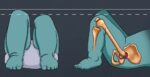
The Galeazzi test (also known as the Allis sign) is a clinical assessment used primarily in infants to identify developmental dysplasia of the hip (DDH) or a leg-length discrepancy. How the Test is Performed The infant is placed on a firm, flat surface in a supine position (lying on their back). Both hips and […]
Clinical Examination of the Shoulder
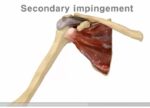
Courtesy: Prof Young Lae Moon, Seoul, South Korea Comprehensive Shoulder Physical Examination Orthopaedic Principles – Webinar Summary 1. Introduction A systematic shoulder examination is essential for accurate diagnosis and treatment planning. A structured, stepwise approach improves diagnostic precision and reduces missed pathology. Key focus: Cervical spine assessment Rotator cuff evaluation Shoulder instability assessment 2. Core […]
Tennis Elbow
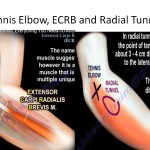
Courtesy: Prof Nabil Ebraheim Tennis Elbow (Lateral Epicondylitis) Overview Tennis Elbow, also known as lateral epicondylitis, is one of the most common causes of lateral elbow pain. It is an overuse injury involving degeneration and tendinosis of the origin of the extensor carpi radialis brevis (ECRB) tendon at the lateral epicondyle of the humerus. Anatomy […]
Baker’s Cyst
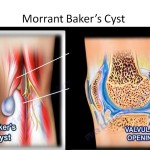
Courtesy: Prof Nabil Ebraheim, University of Toledo, Ohio, USA Baker’s Cyst (Popliteal Cyst) Definition Baker’s cyst, also called a popliteal cyst, is a benign swelling located behind the knee. It may vary in size, from small to large. It is a fluid-filled cyst, not a solid tumor. The cyst should transilluminate. Anatomy and Pathophysiology The […]
Common Nerve Conditions of the Upper Extremity
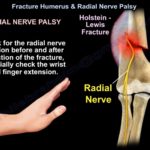
Courtesy: Prof Nabil Ebraheim, University of Toledo, Ohio, USA 1. Nerve Injuries in Supracondylar Fracture of the Humerus (Children) Supracondylar fractures of the humerus in children are commonly associated with nerve injuries. Extension Type (Most Common) Most common type of supracondylar fracture. Commonly associated with: Anterior interosseous nerve (AIN) palsy It is essentially a high […]