
Courtesy: Amr Abdelgawad, Consultant, Maimonaides Medical Centre, Brooklyn, New York, USA
Pediatric Femur Fractures
Epidemiology
Pediatric femur fractures
- Third most common long bone fracture after the forearm and tibia.
- Incidence is approximately 30 per 100,000 children per year.
- More common in males older than 3 years.
Mechanism of injury
- Infants and toddlers: Falls. Always consider non accidental trauma.
- Children aged 3 to 10 years: Pedestrian versus vehicle injuries.
- Adolescents: Sports injuries.
- All age groups: Road traffic accidents.
Clinical Assessment
Initial evaluation
- Follow ATLS principles in high energy injuries.
- Assess the head, chest, abdomen, and neurovascular status.
- Remember that a femoral shaft fracture is a distracting injury and associated fractures may be missed.
Investigations
Radiographs
- Obtain AP and lateral radiographs from the hip to the knee.
- Always include the hip joint.
- Always include the knee joint.
- Include the pelvis to exclude an associated femoral neck fracture.
Classification
By location
- Proximal.
- Shaft (diaphyseal).
- Distal (metaphyseal or physeal).
By fracture pattern
- Transverse.
- Spiral.
- Oblique.
- Comminuted.
- Greenstick.
Non Accidental Trauma
Red flags
- Femur fracture in a non ambulatory child.
- Inconsistent history.
- Delay in seeking medical attention.
- Multiple fractures.
- Changing history.
Important facts
- Approximately 1 percent of children experience abuse each year.
- Around 65 percent present with an isolated fracture.
- Missed diagnosis is associated with approximately 5 percent mortality.
- There is about a 25 percent risk of recurrent injury if abuse is missed.
- Spiral fractures are not always due to abuse.
Management of Femoral Shaft Fractures
Children younger than 6 months
- Pavlik harness.
Children younger than 4 years
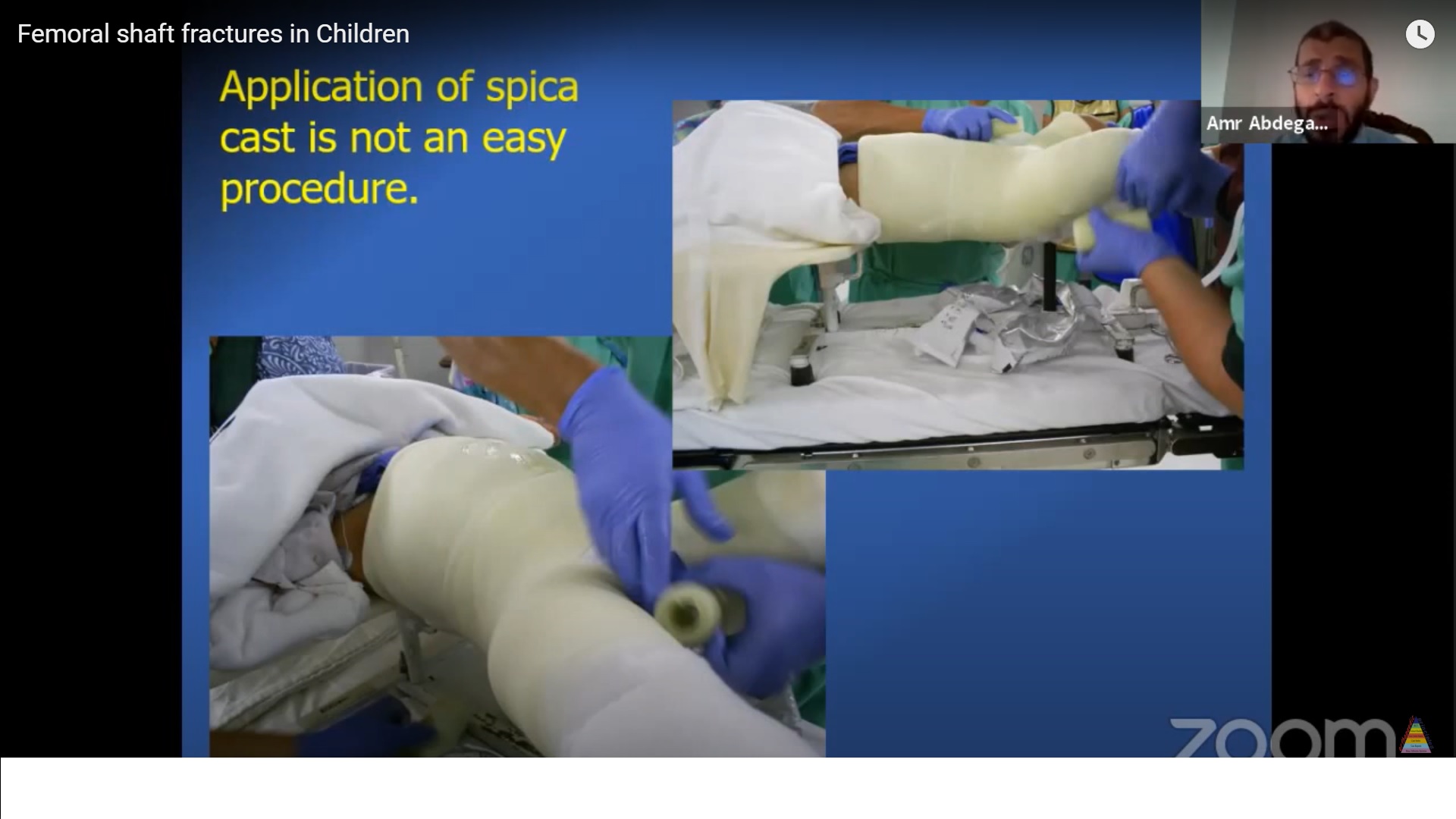
- Immediate hip spica cast.
- Hip flexion of approximately 45 degrees is preferred.
- Avoid the 90 90 spica position.
Children aged 5 to 12 years
Stable fractures
- Flexible intramedullary nailing (TENS).
Indications
- Midshaft fracture.
- Transverse fracture.
- Minimal comminution.
- Weight less than 45 kg.
Unstable fractures
- Submuscular plating.
- Preferred for comminuted, proximal, and distal shaft fractures.
Children older than 12 years
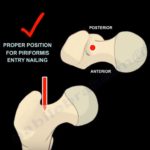
- Rigid intramedullary nail using a lateral entry point.
Special situations
- Open fractures: External fixation.
- Polytrauma: External fixation as damage control.
- If image intensifier is unavailable: Open plating.
Treatment Modalities
Pavlik harness
- Best for infants younger than 6 months.
- Also useful for birth related fractures.
Hip spica cast
- Standard treatment for children younger than 4 years.
- Proper application is essential.
- Ensure good perineal care.
- Avoid excessive chest compression.
External fixation
Indications
- Open fractures.
- Polytrauma.
Disadvantages
- High refracture rate of approximately 20 percent.
Flexible intramedullary nails (TENS)
Advantages
- Minimally invasive.
- Early mobilization.
- Excellent for stable midshaft fractures.
Limitations
- Comminuted fractures.
- Obese children.
- Proximal or distal shaft fractures.
Rigid intramedullary nail
Indications
- Older children and adolescents.
Preferred entry
- Lateral greater trochanter.
Complication
- Avascular necrosis if piriformis entry is used.
Plating
Open plating
- Provides rigid fixation.
- Greater soft tissue dissection.
Submuscular plating
- Biological fixation.
- Minimal soft tissue disruption.
- Preferred for unstable fractures in children aged 5 to 12 years.
Proximal Femur Fractures
Delbet classification
- Type I: Transphyseal. Highest risk of avascular necrosis.
- Type II: Transcervical. Approximately 70 percent risk of avascular necrosis.
- Type III: Cervicotrochanteric.
- Type IV: Intertrochanteric. Lowest risk of avascular necrosis.
Management
- Emergency reduction and fixation.
- Capsular decompression may be performed.
- Fixation with screws, dynamic hip screw, or plate as indicated.
- Hip spica may be required in selected cases.
Distal Femur Fractures
Types
- Supracondylar fractures.
- Physeal injuries.
- Metaphyseal fractures.
Important points
- Distal femoral physis contributes approximately 1 cm of growth per year.
- Growth arrest occurs in about 50 percent of physeal injuries.
Management
Minimally displaced fractures
- Cast or hip spica.
Physeal injuries
- Urgent reduction.
- K wire fixation if required, even across the physis when necessary.
- Screws may be used if there is a large metaphyseal fragment.
- Always assess for popliteal artery injury.
Exam Pearls
- Younger than 6 months: Pavlik harness.
- Younger than 4 years: Immediate hip spica cast.
- Children aged 5 to 12 years with stable fractures: Flexible intramedullary nails.
- Unstable or comminuted fractures: Submuscular plating.
- Older than 12 years: Rigid intramedullary nail through a lateral entry.
- Open fractures and polytrauma: External fixation.
- Piriformis entry increases the risk of avascular necrosis.
- Distal femoral physeal injuries have a high risk of growth arrest.
- Delbet Type I femoral neck fracture has the highest risk of avascular necrosis.
Final Treatment Algorithm
- Younger than 4 years: Hip spica cast.
- Children aged 5 to 12 years with stable fractures: Flexible intramedullary nailing.
- Children aged 5 to 12 years with unstable fractures: Submuscular plating.
- Older than 12 years: Rigid intramedullary nailing.
- Open fractures or polytrauma: External fixation.
almr is a great teacher, can I get his whole videos some of which is on you tube