
Courtesy: Nirmal Tejwani, Professor, NY hospital for Joint Diseases, NY, USA
Overview of Ankle pain Aetiology and Diagnosis
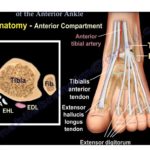
Courtesy: Prof Nabil Ebraheim, University of Toledo, Ohio, USA
Single incision fasciotomy for Compartment syndrome
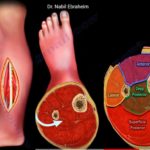
Courtesy: Prof Nabil Ebraheim, University of Toledo, Ohio, USA
Ankle arthritis for the FRCS Tr and Orth
Courtesy: Marwan Elshafie, FRCS, and the Orthopaedic Fellowship Preparation Course
Ankle Ligament Injury and Clinical Tests
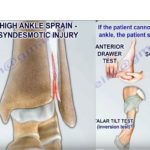
Courtesy: Prof Nabil Ebraheim, University of Toledo, Ohio, USA
Lateral Distal Femur Plate for Periprosthetic Fracture

Courtesy: Seth Yarbaro, University of Virginia, USA
Anatomy Of The Vastus Lateralis Muscle
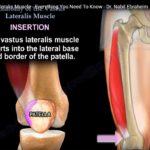
Courtesy: Prof Nabil Ebraheim, University of Toledo, Ohio, USA Video describes the Anatomy of Vastus Lateralis Muscle which is a part of Quadriceps Femoris. Vastus lateralis originates from the greater trochanter of the femur and from the lateral lip of the Linea Aspara. It loops around the shaft of femur from the posterior to anterior […]
Girdlestone Procedure for Hip
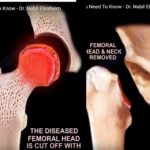
Courtesy: Prof Nabil Ebraheim, University of Toledo, Ohio, USA
Fixation of a Proximal Humerus Fracture Using a Variable-Angle Locking Plate
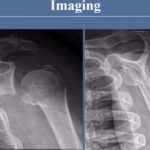
Courtesy: Scott Paxton, Kalpesh Shah, Brown Alpert Medical School, RI, USA
Anatomy of Rectus Femoris Muscle
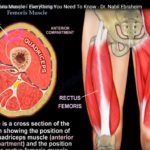
Courtesy: Prof Nabil Ebrhaeim, University of Toledo, Ohio, USA Video describes Anatomy of Rectus Femoris which is the Anterior Muscle of Quadriceps Femoris. Rectus Femoris Originates from the pelvis as two heads. 1: Straight Head From Anterior Inferior Iliac Spine and 2: Reflected head originate from a groove superior to acetabulum. The Muscle is inserted […]
Extensile Approach for Tibial Plateau Fractures
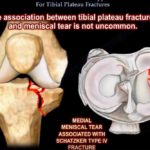
Courtesy: Prof Nabil Ebraheim, University of Toledo, Ohio, USA
Anatomy Of The Extensor Digitorum Communis
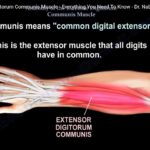
Courtesy: Prof Nabil Ebraheim, University of Toledo, Ohio, USA Video describes Anatomy of Extension Digitorum Communis Muscle. It Originates from the Lateral Epicondyle of Humerus which is the Common Extensor Origin.The muscle is inserted into Extensor expansions of medial four digits.It is supplied by Posterior interosseous nerve (C7).The Primary Action of this muscle is to […]
Distal femur fractures and Nonunion
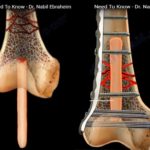
? Courtesy: Prof Nabil Ebraheim, University of Toledo, Ohio, USA DELAYED UNIONS OR NON UNIONS OF THE DISTAL FEMUR Introduction Failure rate: 20–30% Key: Mechanical stability + autologous bone graft may require dual-plate fixation or intramedullary nail-plate combinations Bone graft substitutes/biologics: further research needed Anatomy Distal femur: ~15 cm segment metadiaphyseal junction to the articular […]
Anatomy of Superior and Inferior Gemellus
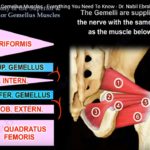
Courtesy: Prof Nabil Ebraheim, University of Toledo, Ohio, USA This Video describes The Anatomy of Superior and Inferior Gemellus Muscle. The Superior Gemellus Muscle originates the Ischial Spine and Inferior Gemellus Muscle originate from the posterior portion of the Ischial tuberosity and the lateral Obturator. Both the Muscles insert into the medial surface of greater […]
Outcome of Surgical correction of Torsional deformity of the femur
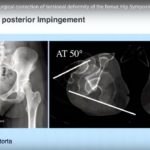
Courtesy: K Ziebrath, Klaus Siebenrock, University of Bern, Switzerland