
Courtesy:
William DeLong, MD, Professor of Orthopaedic Surgery, Temple University, Chief of Orthopaedic Surgery, St, Luke’s Health Network
Saqib Rehman MD, Director of Orthopaedic Trauma, Temple University, Philadelphia, Pennsylvania, USA
www.orthoclips.com
From the 8th Annual Philadelphia Orthopaedic Trauma Symposium June 10, 2016, Lewis Katz School of Medicine at Temple University, Philadelphia
Comprehensive Clinical & Systems Review: Geriatric Hip Fracture Management
Speaker & Institutional Context
-
Speaker: Dr. Heydelwitch’s introductory speaker; seasoned clinician with 33 years in practice.
-
Institutions: Formerly Temple University Health System; currently practicing at St. Luke’s University Health Network (SLUHN).
-
Corporate & Academic Collaboration: Slide decks supported by DePuy Synthes; model originated from Dr. Steven Cates at the University of Rochester (2006).
-
Conflict of Interest: No financial disclosures reported.
Core Presentation Objectives
-
Surgical Acceleration: Reduce time-to-OR for all fragility hip fracture patients.
-
Bed Rest Reduction: Expedite mobilization to minimize secondary medical comorbidities.
-
Cost Efficiency: Lower acute inpatient hospital costs per fracture case.
-
Bone Health Optimization: Standardize secondary fragility fracture prevention protocols.
The Clinical Problem & Demographics
-
The “Silver Tsunami”: Baby Boomers (born 1946–1964) are passing age 65, creating an unprecedented wave of geriatric fracture volume.
-
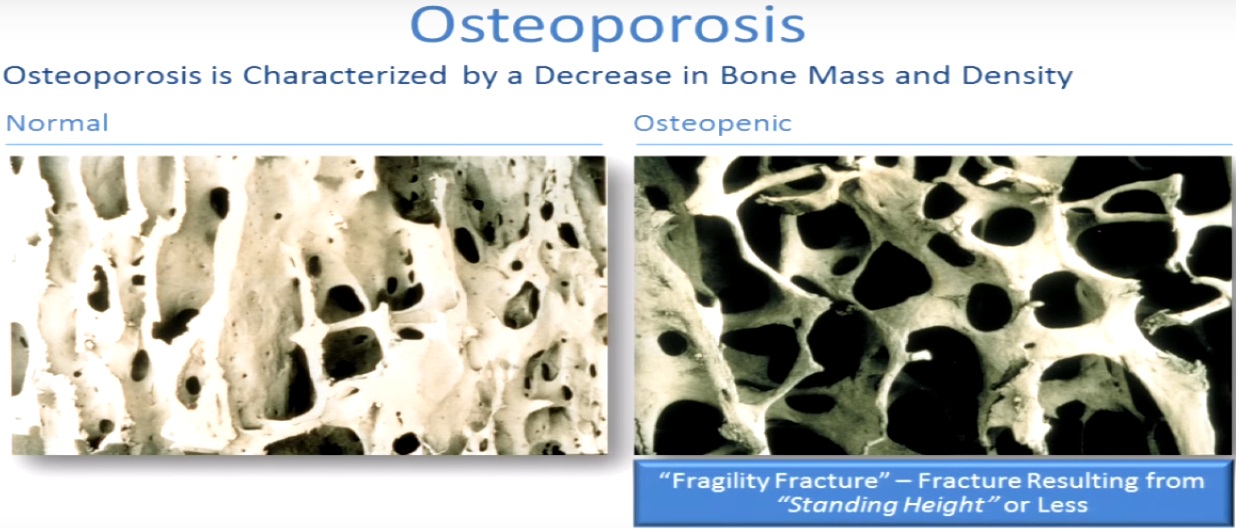
Underlying Pathology: Age-related osteoporosis weakens bone density and structural microarchitecture.
-
Mechanism of Injury: Fragility fractures occur from low-energy mechanisms, typically a fall from standing height.
-
Screening Failure: Vast majority of patients in their 60s and 70s present with fractures having had zero prior workup or treatment for low bone density.
Hip Fracture as a Sentinel Event (National Benchmarks)
-
1-Year Mortality Rate: 24% nationally; acute in-hospital mortality runs ~2%.
-
Permanent Disability: 30% of all survivors never regain baseline status.
-
Mobility Loss: 40% become permanently unable to ambulate independently.
-
Loss of Autonomy: 80% permanently lose independence in at least one Activity of Daily Living (ADL).
-
Discharge Disposition: 87% are discharged directly to post-acute rehabilitation facilities rather than home.
-
National Average Length of Stay (ALOS): Approximately 6.0 to 6.1 days historically over a 10-year span.
The Three Implementation Devices
-
1. Geriatric Fracture Program (GFP):
-
Founded by Dr. Steven Cates (University of Rochester, 2006); partnered with DePuy Synthes for health system dissemination.
-
Replaces fragmented practitioner styles with fixed clinical pathways, pre-printed order sets, standardized protocols, and patient/staff education.
-
Fosters a system-wide “culture of accountability.”
-
-
2. American Orthopaedic Association (AOA) “Own the Bone”:
-
Enrolls every admitted fragility patient into a national registry.
-
Directs referrals to rheumatologists, endocrinologists, and Primary Care Physicians (PCPs) for sustained post-discharge bone health treatment.
-
-
3. CareSense Software System:
-
Connects hospital EHR and outpatient office EHR through a unified data interface.
-
Real-time dashboard showing ALOS, readmission rates, and complications.
-
Fulfills the “keeping score” principle (tracking healthcare outcomes systematically like keeping a golf scorecard).
-
Critical Team Stakeholders & Program Prerequisites
-
Physician Champions: Dedicated leaders across Orthopedics, Hospital Medicine, Anesthesiology, and Emergency Medicine.
-
Nursing & Allied Champions: Physical Therapists (PT), Occupational Therapists (OT), OR coordinators, and post-discharge social workers.
-
Administrative & IT Backing: Essential executive support and IT configuration to align dual outpatient and inpatient EHR systems.
-
Interdisciplinary Governance: Quarterly standing multi-specialty reviews to adjust protocol deviations.
Patient Flow: Baseline vs. Program Target Benchmarks
| Flow Metric | Pre-Implementation Baseline | Target GFP Benchmark |
| ED Arrival to Admitting Decision | ~4 hours | < 2 hours |
| ED Arrival to Inpatient Bed Placement | ~6 hours | < 4 hours |
| ED Arrival to Surgical Incision | ~36 hours | 12–24 hours (ideal target: <12h) |
| Acute Inpatient Length of Stay (ALOS) | 6.1 days | 4.0 days |
Operational Bottleneck Interventions
-
Admitting Service Standardization:
-
All isolated hip fractures admit directly to the Orthopedic Surgery Service (not general medicine).
-
Exclusions: Severe multi-organ polytrauma admits to Trauma; critically decompensated medical illness admits to Internal Medicine.
-
-
Front-Loaded Hospitalist Evaluation: Hospitalists examine the patient immediately in the ED bay—clearing patients before they ever hit the floor.
-
Echocardiogram De-escalation:
-
Preoperative TTEs were identified as the #1 institutional source of surgical delay.
-
Anesthesia and Hospitalists co-manage cardiac clearance; cardiology consults are strictly limited to narrow, life-threatening criteria.
-
-
Dedicated OR Slot Strategies:
-
Patients arriving before 12:00 midnight: Placed in the 06:30 AM first-case emergency start next morning.
-
Day arrivals: Routed immediately into routine 11:00 AM dynamic add-on slots.
-
St. Luke’s University Health Network (SLUHN) Results
-
Rapid ALOS Shift: Dropped from 6.1 days to 4.1 days within the first 6 months of rollout.
-
1-Year Sustained Performance (April 2013 – April 2014):
-
Volume & Case Mix: Maintained higher case volume with identical Case Mix Index (illness severity).
-
Sustained ALOS: Stabilized at 4.2 days across 12 full months.
-
Mortality Rate: Held at 1.5% (well below the national in-hospital average).
-
Readmissions: Measurable downward reduction.
-
Clinical Complication Reductions: Steep drops in hospital-acquired pneumonia, acute delirium episodes, decubitus skin ulcers, and DVT/PE events.
-
Financial Protection: Lower complication rates secured Medicare (CMS) reimbursement caps and reduced uncompensated inpatient bed days.
-
Leave a Reply