
Courtesy: Prof Nabil Ebraheim, University of Toledo, Ohio, USA
Application of a Thumb spica splint
Courtesy: University of Washington and Harborview Medical Centre, Seattle, USA
Application of a Ulnar Gutter Splint
Courtesy: University of Washington and Harborview Medical Centre, Seattle, USA
Friction and Lubrication property of Biomaterials
Courtesy: Harry Benjamin Laing MRCS, Ortho M8, FRCS(Tr and Orth) Tutorials
Total Hip Replacement
Courtesy: RCSI
Fractures About The Pediatric Elbow That Are Often “Unappreciated”
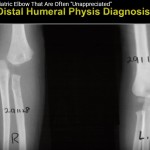
Courtesy: Kaye Wilkins MD Lynn Staheli MD www.global-help.org Unappreciated Fractures Around the Pediatric Elbow Why “Unappreciated” rather than “Missed”? “Missed fracture” may imply negligence. “Unappreciated fracture” acknowledges the genuine diagnostic difficulty created by pediatric anatomy. Why Pediatric Elbow Fractures Are Difficult to Diagnose 1. Children are not miniature adults Multiple physes. Multiple ossification centers. […]
Radiographic features of the Adult Pelvis
Courtesy: Harry Benjamin Laing, MRCS, Ortho M8, FRCS(Tr and Orth) Tutorials
Radiographic features of the Paediatric Pelvis
Courtesy: Harry Benjamin Laing, MRCS, Ortho M8, FRCS(Tr and Orth) Tutorials
Drop Arm Test for the Shoulder

Courtesy: Prof Nabil Ebraheim, University of Toledo, Ohio, USA
Blood supply of the Proximal Humerus
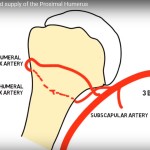
Courtesy: Harry Benjamin Laing MRCS, Ortho M8, FRCS(Tr and Orth) Tutorials
Anastomosis in Forearm and Hand
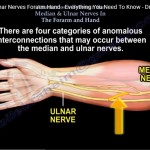
Courtesy: Prof Nabil Ebraheim, University of Toledo, Ohio, USA
Apprehension Relocation Test in Shoulder

Courtesy: Prof Nabil Ebraheim, University of Toledo, Ohio, USA
Clinical Examination for Low Back Ache
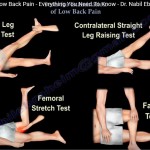
Courtesy: Prof Nabil Ebraheim, University of Toledo, Ohio, USA Low back pain is common. There are several clinical evaluation tests used to assess patients with low back pain. 1-Straight leg raising test: elevation of a painful limb causes sciatica and radicular pain. The test is positive when the pain occurs with less than 60 degrees […]
Physeal Injuries in Children

EPIDEMIOLOGY Physeal injuries account for approximately 21 percent of all paediatric fractures (average of six large series). Distribution by Location Phalanges: 37 percent Distal radius: 18 percent Distal tibia: 11 percent Distal fibula: 7 percent Metacarpals: 6 percent Distal femur: uncommon but high risk for growth arrest WHY PHYSEAL INJURIES OCCUR Key contributing factors include: […]
Fractures of the Foot in Children
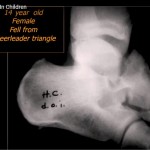
Courtesy: Kaye Wilkins MD, Prof Lynn Staheli MD www.global-help.org Pediatric Foot Fractures and Dislocations Overview Pediatric foot fractures Rare because the immature foot is highly flexible. Thick cartilage absorbs impact forces. Forces are often transmitted proximally to the ankle, tibia, or knee rather than causing foot fractures. Minor Foot Fractures Metatarsal base fractures Usually […]