
Courtesy: Rishi Mugesh Kanna, Ganga Hospital, Coimbatore, India
Tuberculosis of the Spine (Pott’s Spine)
Overview
- Spinal Tuberculosis is a form of extrapulmonary tuberculosis
- Remains a major global health problem
- Associated with:
- Significant morbidity
- Risk of neurological deficit
Clinical Importance
- Early diagnosis prevents:
- Deformity
- Neurological complications
- Most cases are treatable with medical therapy
Etiology and Pathogenesis
Causative Organism
- Mycobacterium tuberculosis
Unique Characteristics
- Lipid-rich cell wall:
- Resistant to antibiotics
- Evades immune response
- Slow-growing organism:
- Delayed diagnosis
- Prolonged treatment
Spread of Infection
Primary Source
- Usually begins in:
- Lungs
Mode of Spread
- Hematogenous dissemination
Spinal Involvement
- Vertebral body infection
- Progressive bone destruction
- Possible spinal cord compression
Pathology
Key Processes
- Macrophage activation
- Granuloma formation
- Caseous necrosis
Result
- Bone destruction
- Vertebral collapse
- Deformity (kyphosis)
Clinical Features
Common Symptoms
- Persistent back pain
- Low-grade fever (often evening rise)
- Weight loss
- Weakness
- Night pain
Neurological Features
- Radiculopathy
- Myelopathy
- Weakness or paralysis
Advanced Disease
- Spinal deformity
- Difficulty walking
- Paraplegia
Diagnosis
Clinical Evaluation
- History and physical examination
Laboratory Tests
- ESR (often elevated)
- CRP
Imaging
X-ray
- Detects late-stage changes
CT Scan
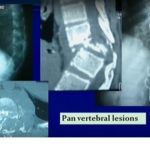
- Bony destruction
- Structural details
MRI (Best Modality)
- Early detection
- Soft tissue involvement
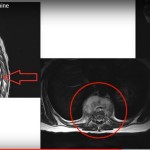
- Neural compression
Definitive Diagnosis
- Biopsy + microbiological confirmation
- Histopathology
Modern Diagnostic Tools
- PCR (rapid detection)
- Molecular techniques
- Drug sensitivity testing
Management
1. Medical Management (Primary Treatment)
Anti-Tubercular Therapy (ATT)
Key Points
- Long-term therapy (months)
- High success rate if compliant
2. Surgical Management (Selected Cases)
Indications
- Neurological deficit
- Severe deformity
- Spinal instability
- Failure of medical treatment
Surgical Approaches
- Anterior approach
- Posterior approach
- Combined approach
Goals of Surgery
- Decompress spinal cord
- Stabilize spine
- Correct deformity
Challenges in Management
- Multidrug-Resistant Tuberculosis (MDR-TB)
- Delayed diagnosis
- Prolonged treatment duration
- Risk of permanent neurological damage
Key Takeaways
- Early diagnosis is critical
- Diagnosis requires:
- Clinical
- Radiological
- Laboratory correlation
- Most patients respond well to:
- Medical therapy
- Surgery is reserved for:
- Complicated cases
Final Message
- Prompt recognition and timely treatment can prevent severe deformity and neurological deficits

God bless you for your brilliant lecture hope you will GIVE LECTURE on other important spine lectures