
Courtesy: Prof Nabil Ebraheim, University of Toledo, Ohio, USA …
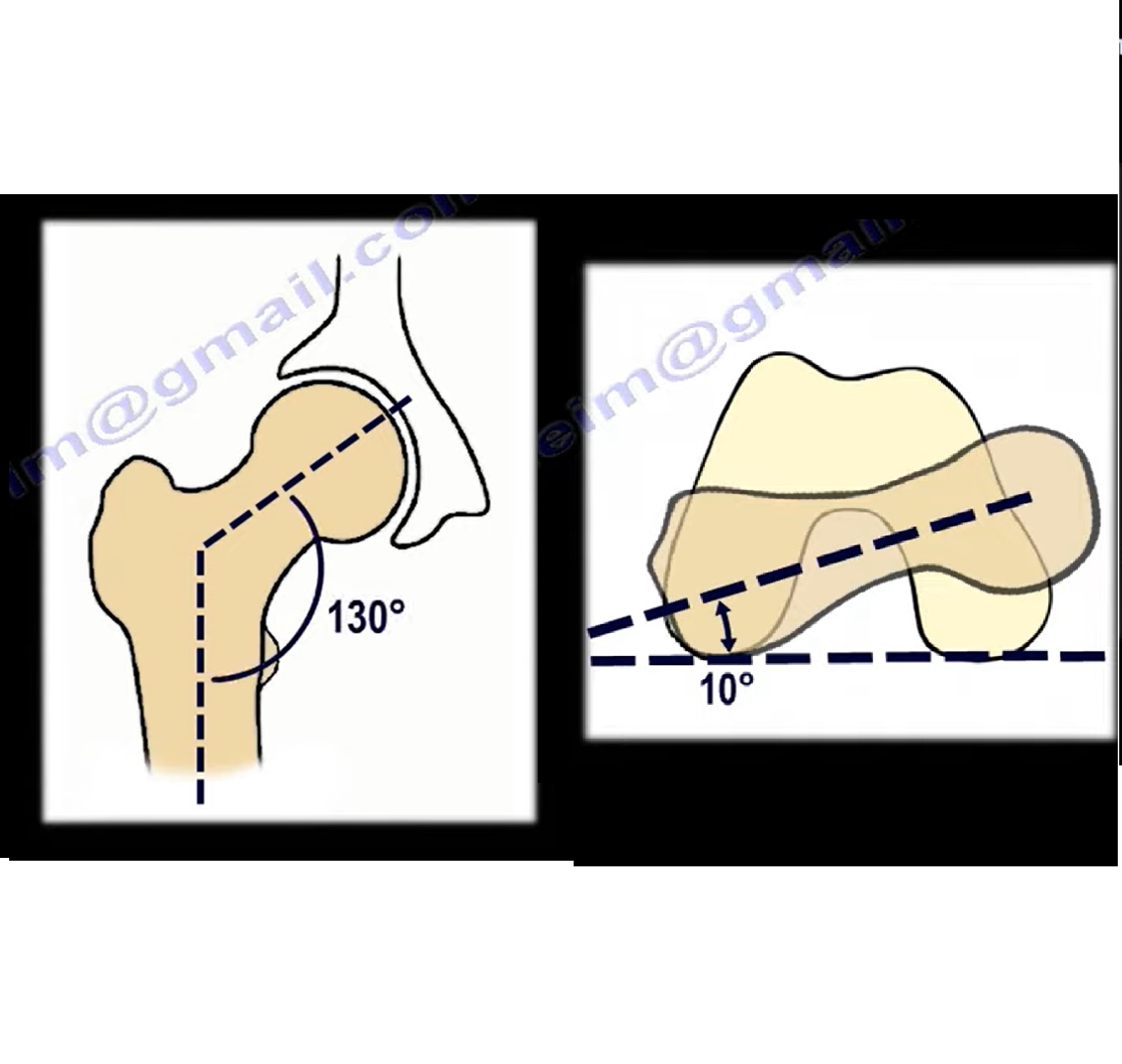
Femoral Neck Anatomy
- Normal neck–shaft angle ? 130°.
- Femoral neck anteversion ? 10°.
Calcar Femorale
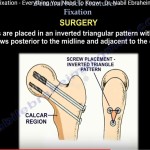
- Calcar is a dense posteromedial plate of bone.
- It acts as a stress?transfer structure.
- Forms an internal strut in the inferior femoral neck and intertrochanteric region.
Biology of Femoral Neck Fractures
- No periosteum around the femoral neck.
- Lack of abundant callus formation.
- Fracture healing occurs mainly through internal (endosteal) proliferation.
Blood Supply
- The most important blood supply to the femoral head is the medial femoral circumflex artery.
- Injury to retinacular vessels increases risk of avascular necrosis.
Mechanism of Injury
- In young patients femoral neck fractures usually occur due to high?energy trauma.
Complications
- Avascular necrosis of femoral head.
- Non?union of the fracture.
- Risk increases with greater displacement of the fracture.
- More vertical fracture patterns also increase complication risk.
Principles of Management
- Urgent surgery is recommended in young patients to decompress compressed vessels.
- Goal of treatment is anatomic reduction.
- Reduction can be performed using closed methods.
If closed reduction fails, open reduction should be performed

Leave a Reply