
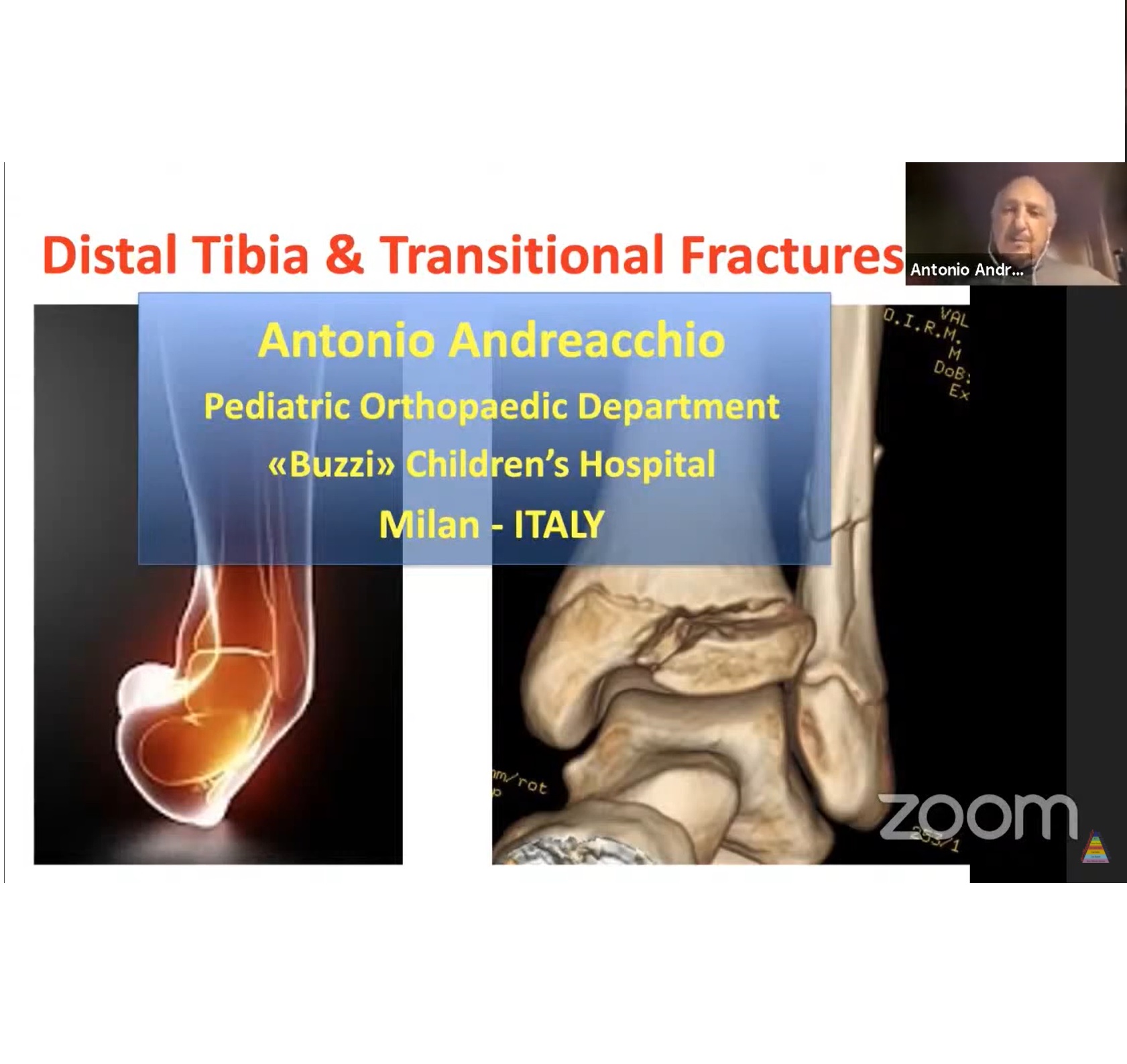
Courtesy: Prof Antonio Andreacchio, President, European Paediatric Orthopaedic Society (2021-22), Chair, Paediatric Orthopaedic Department, Vittore Buzzi Children’s Hospital, Milan, Italy
Distal Tibial Transitional Fractures (Pediatric Ankle)
Overview
- Occur during physeal closure (transitional phase)
- Important pediatric ankle fractures
Types
- Triplane fracture
- Tillaux fracture
Anatomical Basis (Key Concept)
Asymmetric Physeal Closure of Distal Tibia
Closure sequence:
- Central
- Posterior
- Medial
- Lateral (last to close)
Clinical Significance
- Leads to transitional fracture patterns
Age Group
- Boys: 13–15 years
- Girls: 12–14 years
Rare In
- <10 years
-
16 years
Why Important
- High risk of:
- Physeal arrest (epiphysiodesis)
- Angular deformity
Types of Deformity
- Varus / valgus
- Recurvatum
1. Triplane Fracture
Definition
- Fracture in three planes:
- Sagittal
- Coronal
- Axial
Components
- Epiphysis
- Physis
- Metaphysis
Radiographic Appearance
- AP view:
- Resembles Salter-Harris III/IV
- Lateral view:
- Resembles Salter-Harris II
Incidence
- ~5–10% of pediatric intra-articular ankle fractures
Associated Injury
- Fibula fracture (~50%) ? important clue
Diagnosis
X-ray
- May underestimate injury
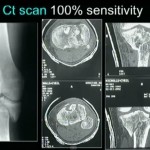
CT Scan (Essential)
- Defines:
- Fracture configuration
- Displacement
- Surgical planning
Impact of CT
- Changes diagnosis (~30%)
- Alters treatment (~20%)
- Guides screw placement (~40%)
Characteristic Sign
- “Mercedes-Benz sign” (3-point star pattern)
Management
Goal
- Anatomical reduction
- Restore joint congruity
Indications
Conservative
- Displacement <2 mm
Surgical
- Displacement ?2 mm
Treatment Options
- Closed reduction + cast
- CRIF / ORIF
Screw Principles
- Parallel to physis
- Avoid physeal injury
Reduction Rule
- Maximum 3 attempts only
Reason
- Repeated manipulation ? ? risk of growth arrest
Complications
- Growth arrest
- Angular deformity
- Post-traumatic arthritis
2. Tillaux Fracture
Definition
- Salter-Harris Type III fracture
- Avulsion of anterolateral distal tibial epiphysis
Mechanism
- Supination + external rotation
Structure Involved
- Pull of:
- Anterior inferior tibiofibular ligament (AITFL)
Pathophysiology
- Occurs because:
- Medial physis closed
- Lateral physis still open
Management
Key Principle
- Anatomical reduction mandatory (intra-articular)
Indications
Conservative
- Displacement <2 mm
Surgical
- Displacement ?2 mm
Treatment
- Closed reduction + fixation
- ORIF if needed
Screw Principles
- Parallel to physis
- Avoid growth plate damage
Imaging Summary
- X-ray alone:
- Not sufficient
Recommended
- Oblique views
- CT scan (gold standard)
Follow-Up
Essential
- Long-term monitoring
Reason
- Growth arrest may appear:
- Up to 2 years later
Monitoring Tools
- X-ray:
- Harris growth arrest lines
- MRI:
- Detect physeal bar
Complications
- Epiphysiodesis (most common)
- Angular deformity
- Joint incongruity ? arthritis
Key Treatment Principles
- Always confirm with CT
- Acceptable displacement ?2 mm
- Achieve anatomical reduction
- Limit manipulation (?3 attempts)
- Ensure long-term follow-up
Exam Pearls
- Triplane = fracture in 3 planes
- Tillaux = AITFL avulsion injury
- Occur during physeal closure
- CT scan is essential
-
2 mm displacement ? surgery
Final Message
- Transitional ankle fractures require precise diagnosis, anatomical reduction, and vigilant follow-up to prevent long-term deformity and arthritis
Leave a Reply