
Courtesy: Maria Tuca, Ashok Shyam, Ortho TV
Anterior Cruciate Ligament Injuries in Adolescents: Key Principles of Management
Introduction
-
Injuries of the anterior cruciate ligament in adolescents are increasingly common.
-
These injuries should not be managed using the same strategies applied to adults.
-
Adolescents represent a unique patient group due to:
-
Open growth plates
-
High activity levels
-
Increased risk of reinjury
-
Understanding these differences is essential for appropriate treatment planning.
Epidemiology of Anterior Cruciate Ligament Injuries in Adolescents
-
Anterior cruciate ligament tears represent a large proportion of acute traumatic knee injuries seen in emergency departments.
-
The incidence of these injuries has been increasing steadily in recent years.
-
In adolescent athletes, the risk is estimated at approximately one injury per ten thousand hours of sports exposure.
High-Risk Groups
Certain populations demonstrate a significantly higher risk of injury.
Teenage Female Athletes
-
Adolescent girls involved in multiple sports have the highest risk profile.
-
Some studies suggest that up to ten percent of female high school athletes may sustain an anterior cruciate ligament injury during their school years.
Consequences of Anterior Cruciate Ligament Injury
Anterior cruciate ligament tears can have long-term consequences, including:
-
Time lost from sports participation
-
Financial costs associated with treatment
-
Increased risk of reinjury
-
Early development of knee osteoarthritis
Despite high rates of return to sport, many patients report suboptimal long-term functional outcomes.
Importance of Injury Prevention
Approximately seventy percent of anterior cruciate ligament injuries occur without contact.
This indicates that many injuries may be preventable.
Neuromuscular Training Programs
Prevention programs aim to reduce modifiable risk factors through structured exercise.
Key elements include:
-
Plyometric exercises
-
Strength training
-
Balance training
-
Agility drills
-
Flexibility exercises
These programs improve neuromuscular control and reduce injury risk.
Example Prevention Programs
FIFA Eleven Plus Program
-
A structured warm-up routine designed for injury prevention.
-
Takes approximately twenty minutes to complete.
-
Requires no special equipment.
-
Includes three progressive difficulty levels.
Pediatric Version of the Program
-
Adapted for children younger than thirteen years of age.
Multiple studies have shown that these programs significantly reduce anterior cruciate ligament injuries.
Additional Prevention Programs
Another widely studied program includes structured neuromuscular exercises developed for athletes.
Randomized controlled trials involving more than one thousand athletes demonstrated:
-
Substantial reductions in injury risk among participants who followed structured training protocols.
Evidence Supporting Prevention
High-quality research supports the effectiveness of injury prevention programs.
-
Several systematic reviews and meta-analyses involving more than ten thousand athletes demonstrate significant reductions in anterior cruciate ligament injuries.
-
Overall injury reduction has been reported at approximately fifty percent.
-
Among female athletes, the reduction may reach approximately sixty seven percent.
Age and Prevention
The effectiveness of prevention programs is greater when implemented early.
-
Programs introduced before eighteen years of age produce the most significant reductions in injury risk.
Role of Nonoperative Treatment
Once an anterior cruciate ligament tear occurs in adolescents, treatment decisions must be carefully considered.
Limitations of Conservative Management
Several studies have shown that nonoperative treatment may lead to:
-
Persistent knee instability
-
Secondary meniscal injuries
-
Additional cartilage damage
Delayed surgical treatment increases the risk of further joint damage.
Risk of Secondary Injury
Research indicates that:
-
Each week of delay in treatment increases the risk of secondary meniscal injury.
-
After ten weeks of delay, the risk may increase substantially.
Indications for Conservative Treatment
Nonoperative treatment is generally reserved for carefully selected patients, such as:
-
Partial anterior cruciate ligament tears
-
Patients with low activity demands
-
Patients willing to avoid pivoting sports
Close follow-up is essential in these cases.
Principles of Surgical Treatment
Surgical treatment of anterior cruciate ligament tears in adolescents is based on two major considerations.
Assessment of Remaining Growth
The first step is to determine how much skeletal growth remains.
This helps determine whether growth plate–sparing techniques are required.
Limitations of Age-Based Assessment
Chronological age and Tanner staging are not always reliable indicators of skeletal maturity.
Two adolescents of the same age may have very different levels of skeletal development.
Assessment of Bone Age
The most reliable method for estimating remaining growth is bone age assessment.
Common tools include:
-
Radiographs of the hand and wrist
-
Skeletal maturity scoring systems
Magnetic resonance imaging of the knee may also provide useful information about growth plate status.
Surgical Techniques Based on Growth Remaining
Treatment strategies depend on the degree of skeletal maturity.
Adolescents with open growth plates may require specialized techniques that minimize injury to the growth plates.
All-Epiphyseal Techniques
These procedures avoid crossing the growth plate entirely.
Advantages:
-
Minimal risk of growth disturbance.
Limitations:
-
Technically demanding
-
Short bone tunnels
-
Potential for higher graft failure rates in some studies.
Transphyseal Techniques
These techniques allow tunnels to cross the growth plate.
Advantages:
-
Strong clinical evidence supporting their effectiveness.
Concerns:
-
Potential risk of growth disturbance if tunnels are not carefully positioned.
Partial Transphyseal Techniques
These combine features of both approaches.
Advantages:
-
Anatomical femoral tunnel placement
-
Central tibial tunnel that minimizes growth plate injury
The central portion of the tibial growth plate tends to close earlier than the peripheral regions, making this approach relatively safe.
Reducing the Risk of Graft Failure
Adolescent patients have higher graft failure rates compared with adults.
Several strategies can help reduce this risk.
Graft Selection
Allograft tissue should generally be avoided in this population.
Research indicates a significantly higher rate of graft rupture with allografts compared with autografts.
Graft Diameter
Graft size is an important factor.
-
Larger graft diameters are associated with lower failure rates.
-
A diameter of approximately eight millimeters or greater is commonly recommended.
In smaller patients, techniques such as graft tripling or quadriceps tendon grafts may be used to achieve adequate graft size.
Lateral Extra-Articular Procedures
Additional lateral procedures may reduce rotational instability.
Studies suggest that adding these procedures can:
-
Decrease graft rupture rates
-
Improve rotational control
This may be particularly beneficial in high-risk adolescent athletes.
Return to Sport
Returning to sport too early significantly increases reinjury risk.
Patients younger than twenty five years who return to pivoting sports have a high risk of reinjury.
Timing of Return to Sport
-
Returning to sports before nine months after surgery increases the risk of reinjury by several times.
-
Many clinicians recommend delaying return to sport until twelve months after surgery.
Criteria for Safe Return
Before returning to sports, patients should complete:
-
Structured rehabilitation
-
Strength testing
-
Functional performance tests
-
Neuromuscular training
Injury prevention programs should also be continued to reduce the risk of secondary injuries.
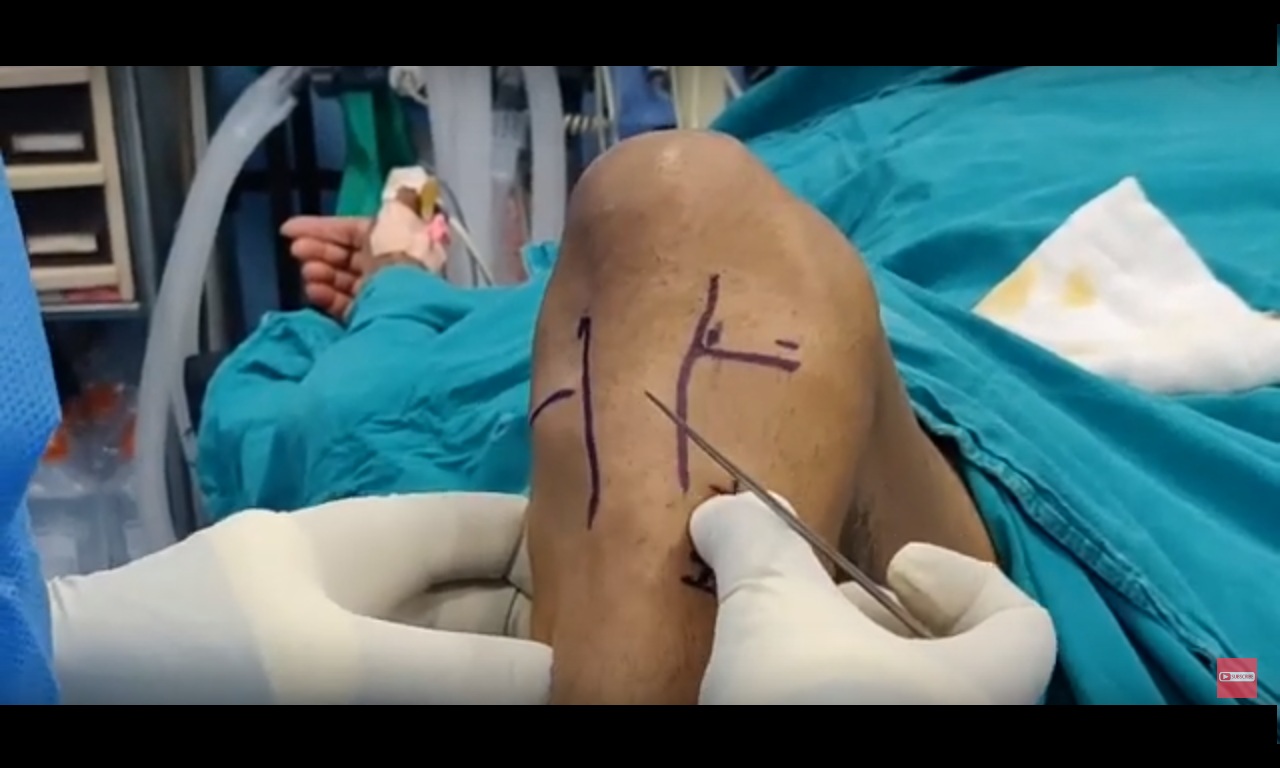
Surgical Example
A clinical example involved a thirteen-year-old soccer player with:
-
Anterior cruciate ligament tear
-
Meniscal root tear
-
Suspected ramp lesion
Surgical treatment included:
-
Reconstruction of the anterior cruciate ligament
-
Repair of the meniscal root
-
Repair of the ramp lesion
-
Addition of a lateral extra-articular procedure
Postoperative imaging demonstrated:
-
Proper graft placement
-
Preservation of growth plates
-
Continued skeletal growth without growth disturbance at one-year follow-up.
Key Points
-
Adolescents with anterior cruciate ligament injuries should not be treated as small adults.
-
Prevention programs play a critical role in reducing injury risk.
-
Early surgical treatment is often recommended to prevent secondary joint damage.
-
Surgical planning must consider remaining skeletal growth.
-
Appropriate graft selection and rehabilitation strategies are essential to reduce reinjury risk.
Leave a Reply