
Courtesy: Mr CR Chandrasekar, Consultant Orthopaedic Surgeon, Liverpool NHS Trust, UK
Sarcoma Awareness: Practical Guidelines for Early Detection and Management
Introduction
- Sarcomas are malignant tumors arising from connective tissues and can occur in any age group and in any part of the body.
- Orthopedic and general surgeons frequently encounter lumps in clinical practice, and some may represent sarcomas.
- Early awareness and timely referral significantly improve outcomes.
- Many sarcomas are diagnosed late because symptoms are often ignored or misinterpreted.
Overview of Sarcoma
- Sarcomas are rare malignancies, accounting for about one percent of all cancers.
- Soft tissue sarcomas are significantly more common than primary bone sarcomas.
- Common categories include soft tissue sarcomas, gastrointestinal stromal tumors, and primary bone sarcomas.
- Numerous histological subtypes exist due to advances in molecular and cytogenetic classification.
- Most soft tissue sarcomas occur in the extremities.
Importance of Multidisciplinary Management
- Sarcomas are complex and require coordinated care.
- A multidisciplinary team typically includes specialist pathologists, radiologists, surgeons, oncologists, specialist nurses, and allied healthcare professionals.
- Diagnosis by non-specialists may change after expert review in a significant proportion of cases.
- Treatment decisions often involve surgery, radiotherapy, chemotherapy, or combined approaches.
Common Clinical Presentation
- Sarcomas often present as painless or painful lumps that increase in size.
- Many benign lumps are common, but not all swellings are harmless.
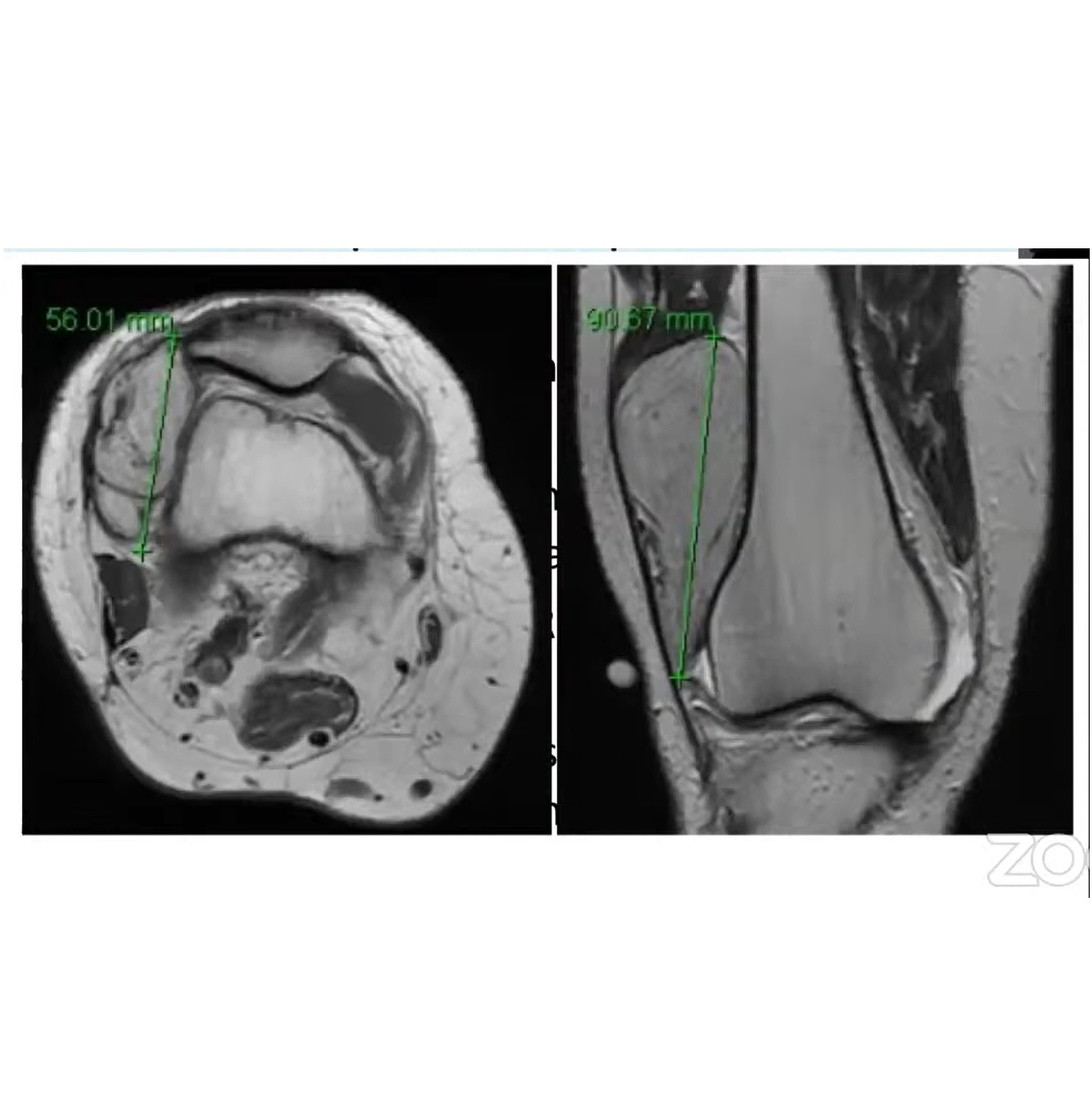
- Average tumor size at diagnosis is often large due to delayed presentation.
- Sarcomas more commonly metastasize to the lungs than to lymph nodes.
Red Flag Features
- Soft tissue tumors larger than five centimeters.
- Increasing size of swelling.
- Lesions located deep to fascia.
- Painful or painless swelling with progressive growth.
- Recurrence after previous excision.
- Persistent bone pain or night pain.
- Swelling not resolving after minor trauma.
Diagnostic Approach
- Accurate history taking and clinical examination are essential.
- A structured examination approach is recommended including inspection, palpation, and assessment of movement.
- Ultrasound is useful for initial assessment.
- Magnetic resonance imaging is recommended for deeper or larger lesions.
- Computed tomography may be used when magnetic resonance imaging is contraindicated.
- Definitive diagnosis usually requires biopsy.
Biopsy Principles
- Biopsy should ideally be performed by the treating specialist team.
- Image guided core needle biopsy is recommended.
- Adequate tissue sampling is essential for accurate diagnosis.
- Poorly planned biopsies may complicate future treatment.
Staging
- Staging investigations typically include computed tomography of chest, abdomen, and pelvis.
- Bone scans and positron emission tomography are not routinely required for soft tissue sarcoma.
- Staging is based on tumor grade, size, and presence of metastasis.
Treatment Principles
- Surgery remains the primary treatment modality.
- Key goals include complete tumor removal with clear margins and preservation of limb function.
- Limb salvage surgery is feasible in most cases.
- Radiotherapy is commonly used before or after surgery.
- Chemotherapy is used selectively for responsive tumor types.
Prognostic Factors
- Tumor size is the most important prognostic indicator.
- Larger tumors have higher rates of metastasis and poorer outcomes.
- Additional prognostic factors include tumor grade, depth, histological subtype, patient age, and presence of metastasis.
- Smaller tumors diagnosed early have significantly better survival rates.
Patterns of Spread and Follow Up
- Sarcomas most commonly spread to the lungs.
- Regular follow up is essential.
- Follow up schedules typically include frequent visits in early years followed by long term monitoring.
- Follow up includes chest imaging and local site evaluation.
Surgical Considerations
- Surgery requires careful planning, imaging review, and experienced teams.
- Biopsy tracks must be excised during tumor removal.
- Dead space should be minimized to reduce complications.
- Specimen orientation is important for pathological margin assessment.
- Reconstruction may be required depending on location and extent.
Common Pitfalls to Avoid
- Unplanned excision without proper evaluation.
- Misdiagnosis as benign conditions such as abscess or hematoma.
- Steroid injections into undiagnosed masses.
- Ignoring imaging findings.
- Delayed referral to specialized centers.
- Assuming persistent joint pain represents a benign condition.
- Inappropriate fixation of pathological fractures.
- Incomplete tumor removal during initial surgery.
Key Messages
- Any unexplained lump should be evaluated promptly.
- Early diagnosis improves survival and treatment outcomes.
- Management should occur in specialized centers whenever possible.
- Clinicians should maintain a high index of suspicion for malignancy.
- Public awareness is essential because delayed presentation remains common.
Question and Answer Highlights
- Primary amputation is uncommon and reserved for selected cases with extensive involvement.
- Limb salvage is achievable in most patients.
- Tumor markers are not routinely used for diagnosis of soft tissue sarcoma.
- Some sarcomas may be associated with genetic syndromes, but routine genetic testing is not indicated for all patients.
Leave a Reply