
Courtesy: Prof Nabil Ebraheim, University of Toledo, Ohio, USA
1. Anatomy of the Rotator Cuff
The rotator cuff consists of four muscles:
-
Supraspinatus
-
Infraspinatus
-
Teres minor
-
Subscapularis
Each muscle has a specific function in shoulder movement and stability.
2. Rotator Cuff Tears
-
Common source of shoulder pain.
-
May involve:
-
A single tendon
-
Multiple tendons
-
-
Tears may be:
-
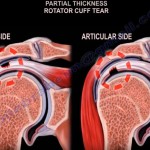
Partial thickness
-
Full thickness
-
Tear Size Classification
-
Small: up to 1 cm
-
Medium: 1–3 cm
-
Large: 3–5 cm
-
Massive: greater than 5 cm or involving multiple tendons
3. Clinical Presentation
Typical Symptoms
-
Gradual onset of shoulder pain
-
Pain increased with overhead activity
-
Pain localized over the deltoid area
-
Weak and painful shoulder
Range of Motion
-
Loss of active range of motion
-
Passive range of motion usually intact
-
Weakness in abduction
-
Inability to elevate the arm above 90 degrees
Pseudoparalysis
-
Injection of lidocaine does not improve shoulder movement
-
Persistent inability to elevate the arm is termed pseudoparalysis
Always compare active and passive range of motion of both shoulders.
4. Night Pain and Sleep Disturbance
-
90% of patients with rotator cuff tear complain of night pain.
-
Night pain is a common complaint.
-
Night pain may indicate:
-
Nonoperative treatment may not be successful.
-
-
Many patients seek surgery due to inability to sleep.
5. Consequences of Sleep Deprivation
Lack of sleep due to pain can result in:
-
Anxiety
-
Depression
-
Lack of focus
-
Decreased concentration
Additional findings:
-
Sleeping less than 6 hours for four consecutive nights can impair cognitive performance.
-
Sleeping less than 7 hours per night is associated with:
-
Obesity
-
Diabetes
-
Hypertension
-
Heart disease
-
Depression
-
6. Does Tear Size Correlate with Sleep Quality?
Research findings:
-
The status or size of the rotator cuff tear does not correlate with:
-
Increased shoulder pain
-
Worse sleep quality
-
-
Full thickness or massive tears do not necessarily cause worse sleep disturbance.
-
Severity of structural damage does not clearly correlate with symptom severity.
Patients with:
-
Impingement
-
Partial thickness tears
-
Full thickness tears
May all report similar:
-
Shoulder pain
-
Night pain
-
Sleep disturbance
7. Asymptomatic Rotator Cuff Tears
-
Many individuals have rotator cuff tears without symptoms.
-
Prevalence is over 55% in individuals older than 60 years.
-
Frequency increases with age.
-
Both partial and full thickness tears may be seen on MRI or ultrasound in asymptomatic individuals.
This suggests that sleep disturbance and pain may not be solely due to tear severity.
8. Possible Role of Sleeping Position
Common sleeping positions:
-
Supine
-
Prone
-
Lateral decubitus
-
Supine with shoulder abducted
Findings:
-
Supine position has lower subacromial pressure compared to other positions.
-
Increased subacromial pressure:
-
Decreases blood flow to the rotator cuff
-
May increase disease severity
-
Patients often cannot sleep on the affected shoulder due to increased pain.
9. Possible Mechanisms of Night Pain
Questions raised:
-
Is increased subacromial pressure responsible for night pain?
-
If subacromial pressure causes pain:
-
A full thickness tear might reduce pressure and potentially decrease symptoms.
-
-
Or is it pressure on inflamed tissue, similar to trochanteric bursitis where patients cannot lie on the affected side?
The extent and type of tendon damage do not clearly correlate with pain severity or sleep quality.
10. Factors Associated With Worse Sleep Quality
Associated factors include:
-
Female sex
-
Depression
-
Obesity
-
Diabetes
-
Low back pain
-
Cervical spine involvement
The interaction between these factors and shoulder pain is not fully understood.
Conclusion
-
Rotator cuff disease commonly affects sleep quality.
-
Night pain is highly prevalent.
-
Tear size and structural severity do not clearly correlate with sleep disturbance.
-
Other mechanical and systemic factors likely contribute to sleep disruption in these patients.
-
The exact mechanism linking rotator cuff disease and sleep disturbance remains unclear.

Leave a Reply