
Courtesy: Sports Kongress, Copenhagen, Denmark
Pediatric anterior cruciate ligament injury – IOC Consensus Approach
Basic Concepts
- Incidence of pediatric ACL injuries is increasing
- Major long-term concern:
- Osteoarthritis
Children – Small Adults
- Open physis – risk of growth disturbance
- Different biomechanics & activity patterns
Key Principle
Skeletal age > chronological age
Treatment Controversy
Early Surgery Approach
- Prevent:
- Meniscus tears
- Cartilage damage
- Enables early return to sports
Rehabilitation-First Approach
- Start with structured rehab
- Operate only if:
- Instability persists
- Secondary injury occurs
Evidence: No clear superiority of either approach
IOC Consensus – Core Principles
- All children need high-quality rehabilitation
- Meniscus preservation is critical
- Some require early surgery
- Injury prevention is essential
Indications for Early Surgery
- Repairable associated injuries:
- Bucket-handle meniscus tear
- Osteochondral lesion
- Ramp lesion
- Severe instability
Treatment Algorithm
Step 1: Initial Assessment
- Identify associated injuries needing surgery
Step 2: No Urgent Indication
- Begin:
- Active rehabilitation
- Brace (optional)
Step 3: Follow-up
- If:
- Recurrent instability
- New meniscus injury
Delayed ACL reconstruction
Surgical Considerations
Challenges in Children
- Growth disturbance:
- Valgus / varus deformity
- Small anatomy
- High failure rate (~30%)
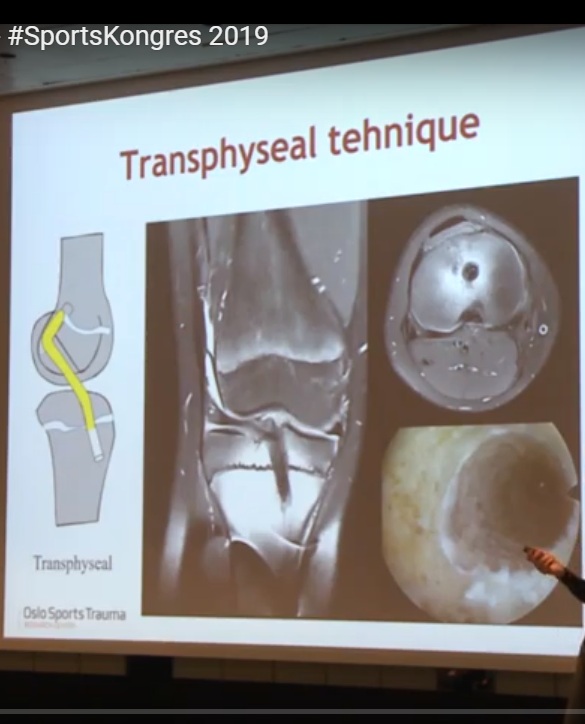
Techniques
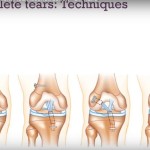
- Physeal-sparing
- All-epiphyseal
- Transphyseal
Important Rules
- Avoid crossing physis with hardware
- Use soft tissue grafts only
- Avoid bone blocks
Graft Choice
Preferred
- Hamstring autograft
Other Options
- Quadriceps graft
Avoid
- Allografts (high failure rate)
Outcomes (Long-Term)
- ~50% require ACL reconstruction
- Others do well with non-operative care
Functional Outcomes
- Good:
- Strength symmetry
- Hop performance
- Patient-reported scores
Concerns
- Meniscus injury rate ~34%
- Activity modification common
Rehabilitation Principles
Core Focus
- Functional stability > strength
- Neuromuscular control
- Parent involvement
Rehab Phases
Phase 1
- Restore extension
- Reduce swelling
Phase 2
- Strength + stability
- Hamstring focus
Phase 3
- Hop training
- Landing mechanics
Special Pediatric Considerations
- Keep child socially engaged
- Short programs (<10 min)
- Use apps/videos for compliance
Return to Sport Criteria
Must achieve:
- Hop tests >90%
- Good movement quality
- No pain or swelling
- Psychological readiness
Recommendation:
- No pivoting sports before 12 months post-surgery
Re-injury Risk
- Very high in adolescents
Reasons
- Early return to sport
- Poor neuromuscular control
Key insight:
- Risk depends on readiness, not age
ACL Injury Prevention Programs
- PEP (Prevent injury, Enhance Performance)
- FIFA 11+
- 11+ Kids
Program Features
- Dynamic warm-up
- Duration: 15–20 minutes
- No equipment
- Replace standard warm-up
Effectiveness
PEP Program
- 88% reduction (Year 1)
- 74% reduction (Year 2)
FIFA 11+
- ~76% reduction in ACL injuries
- total injury rate by ~46%
11+ Kids
- 48% total injuries
- 74% severe injuries
Most Important Factor
Compliance = Key determinant of success
- More compliance – fewer injuries
- More compliance – faster recovery
- More compliance better performance
Performance Benefits
- More wins
- Fewer losses
- Better player availability
Mechanism of Action
- Improves:
- Neuromuscular control
- Biomechanics
- Brain (cortical) preparation
Requires:
- ~6 weeks for adaptation
Key Challenges
- Poor compliance
- Low adoption by teams
- Difficulty identifying high-risk athletes
How to Improve Compliance
- Highlight performance benefits
- Integrate into training culture
- Start early (~10 years)
- Keep program:
- Simple
- Short
- Equipment-free
Special Note: Tibial Spine Fracture
- Pediatric equivalent of ACL injury
Key Differences
- Slower rehab
- Residual laxity common
- Functional outcome usually good
Final Exam Pearls
- Not all pediatric ACL injuries need surgery
- Rehab-first approach is valid
- Protect:
- Physis + meniscus
- Surgery:
- Technically demanding
- High failure rate
- Prevention programs:
- Highly effective
Leave a Reply