
Courtesy: Prof Nabil Ebraheim, University of Toledo, Ohio, USA
Fat Embolism Syndrome (FES): Clinical Features, Diagnosis, and Management
Core Principles & Pathophysiology
-
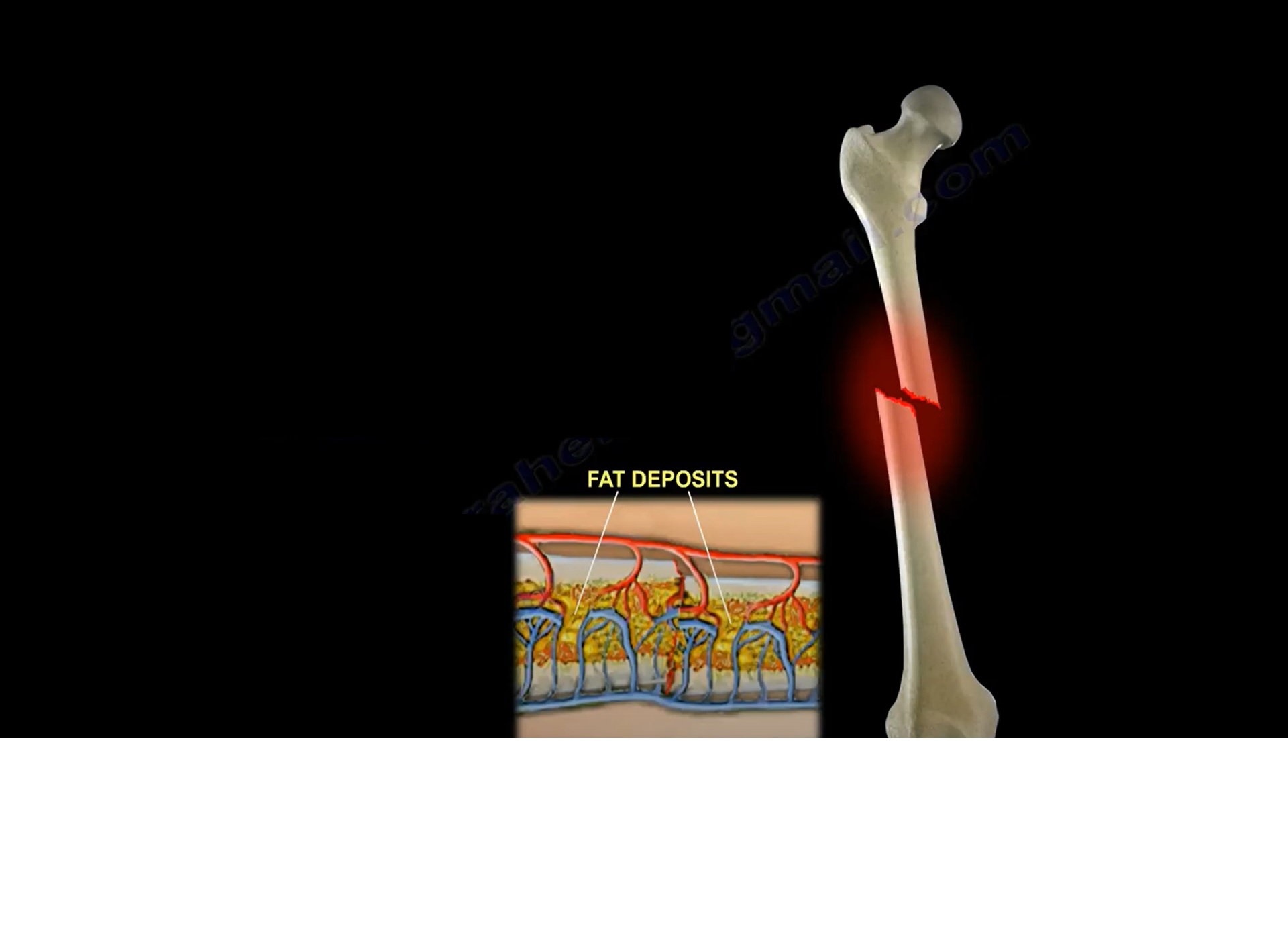
Etiology: Fat globules release from bone marrow into the venous circulation.
-
Primary Triggers: Long bone fractures (especially the femur and tibia) and pelvic fractures.
-
Iatrogenic Risk: Over-reaming of the intramedullary canal during surgical fixation.
-
Fracture Type: More frequent in closed fractures due to elevated intramedullary pressure.
-
Mechanism:
-
Mechanical obstruction of pulmonary microvessels.
-
Release of toxic free fatty acids and inflammatory mediators.
-
Resulting endothelial damage, chemical pneumonitis, and severe hypoxemia.
-
-
Systemic Spread: Globules traverse pulmonary beds into the systemic circulation.
-
Travel to cerebral microvasculature, causing cerebral embolism.
-
Occlude dermal capillaries, leading to petechiae.
-
The Classic Clinical Triad
-
Timeline: Symptoms typically develop within 1 to 3 days (24 to 72 hours) post-injury.
-
Comparison: Manifests significantly earlier than a typical deep vein thrombosis (DVT).
| Organ System | Clinical Presentation | Pathophysiologic Basis |
| 1. Respiratory | Dyspnea, tachypnea, severe hypoxemia | Pulmonary vessel micro-obstruction and chemical pneumonitis |
| 2. Neurological | Confusion, agitation, altered mental status, drowsiness, seizures | Cerebral micro-emboli causing diffuse micro-infarctions |
| 3. Dermatologic | Petechial rash (axillary, chest, conjunctival, palate) | Dermal capillary occlusion by circulating micro-globules |
-
Petechial Rash Characteristics:
-
Seen in 20% to 50% of cases.
-
Typically emerges within 36 hours.
-
Self-limiting; usually resolves completely within 7 days.
-
High-Risk Populations & Surgical Precautions
-
Pelvic & Long Bone Fractures: Multiple concurrent fractures substantially increase risk.
-
Non-Operative Delays: Prolonged non-operative splinting of unstable long bone fractures increases embolization risk.
-
Intramedullary Over-Reaming: High intramedullary pressures force fat globules into the venous sinusoids.
-
Bilateral Pathological Femur Fractures: Never fix bilateral pathological femur fractures in the same operative sitting.
-
Polytrauma: Patients with multiple injuries face cumulative risk.
Diagnostic Framework (Diagnosis of Exclusion)
-
Fat Embolism Syndrome is a clinical diagnosis of exclusion.
-
The formal diagnostic threshold requires:
-
At least 1 Major Sign
-
At least 4 Minor Signs
-
| Sign Category | Specific Clinical Criteria |
| Major Signs |
• Hypoxemia
• Pulmonary edema / bilateral infiltrates
• Central nervous system depression (confusion, agitation, coma)
• Petechial rash (subconjunctival, axillary, anterior chest)
|
| Minor Signs |
• Tachycardia
• Pyrexia (fever)
• Anemia (unexplained drop in hemoglobin)
• Thrombocytopenia (platelet consumption)
• Lipiduria (fat globules in urine)
|
Prevention, Treatment, and Prognosis
-
Early Fracture Stabilization:
-
Early surgical stabilization of long bone fractures significantly reduces the risk of FES.
-
-
Treatment Strategy:
-
Maintain a high index of clinical suspicion in early trauma settings.
-
Care is primarily supportive.
-
Supplemental oxygen therapy for mild-to-moderate hypoxemia.
-
Early endotracheal intubation and mechanical ventilation with high positive end-expiratory pressure (PEEP) for severe respiratory failure.
-
-
Prognosis & Mortality:
-
Mortality rate remains approximately 10%.
-
Long-term recovery depends heavily on the patient’s pre-injury cardiopulmonary reserve.
-

Leave a Reply