
Courtesy Dr. Ram Chadhha, Dr Ashok Shyam, Ortho TV
Failed Back Surgery Syndrome (FBSS)
Introduction
Failed Back Surgery Syndrome (FBSS) refers to persistent or recurrent pain following spinal surgery. It is a recognized and challenging condition in spine surgery practice.
FBSS represents a complex interaction of:
- Anatomical factors
- Surgical factors
- Psychological factors
- Functional disability
Unlike other orthopedic specialties, there is no equivalent term such as “failed arthroplasty syndrome.”
Aims and Objectives in Managing FBSS
The goals of managing FBSS include:
- Evaluating surgical outcomes over time
- Identifying causes of failed spinal surgery
- Learning from complications
- Improving future surgical decision-making
- Optimizing patient outcomes through appropriate revision strategies
Definition and Clinical Context
FBSS is defined as:
- Persistent or recurrent pain after spinal surgery
Pain may involve:
- Low back pain
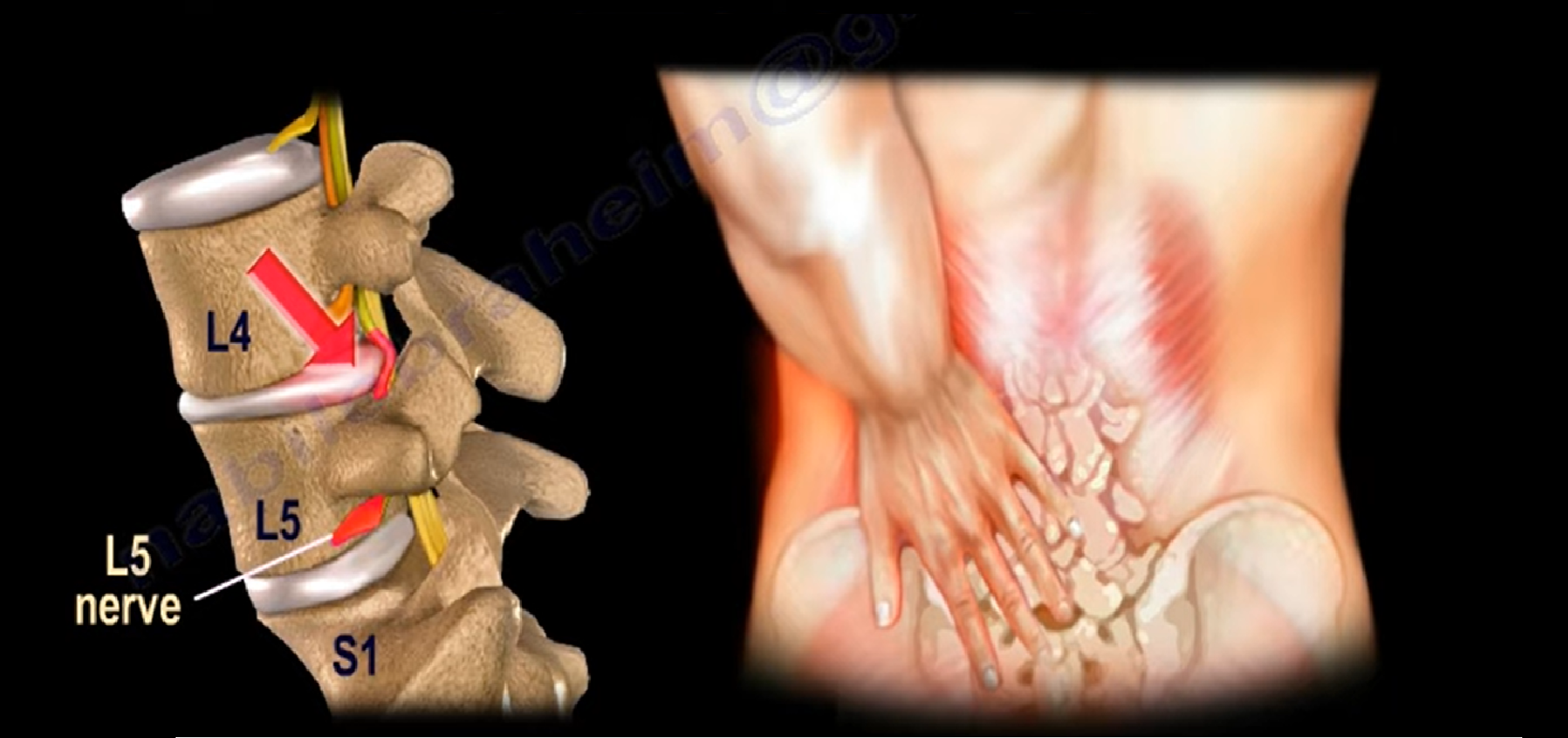
- Radicular pain
- Functional disability
The syndrome may occur despite technically successful surgery.
Classification of FBSS
FBSS can be divided into three broad categories.
1. Implant-Related Failure
Causes
Examples include:
- Malpositioned pedicle screws
- Cage migration
- Implant loosening
- Neural compression from hardware
Important Point
Most implant-related failures are preventable with:
- Proper surgical technique
- Accurate intraoperative imaging
Management
Treatment usually involves:
- Implant removal
- Repositioning
- Revision fixation
Outcomes are often favorable if corrected early.
2. Surgery-Related Failure
Causes
Common causes include:
- Inadequate decompression
- Residual disc herniation
- Recurrent disc prolapse
- Instability from excessive bone removal
- Non-union
- Adjacent segment disease
Postoperative Complications
Important complications include:
- Infection
- Discitis
- Dural tear
- Postoperative instability
Important Concept
Adverse Event
An intraoperative occurrence such as:
- Dural tear
Complication
A postoperative clinical consequence such as:
- Infection
- Neurological deficit
- Persistent pain
Management
Treatment depends on the underlying cause:
| Cause | Management |
|---|---|
| Infection | Debridement + antibiotics |
| Residual compression | Revision decompression |
| Instability | Fusion procedures |
3. Non-Specific FBSS
Definition
Persistent pain without an identifiable structural cause on imaging.
Associated Factors
Often associated with:
- Psychological factors
- Central sensitization
- Chronic pain syndrome
Important Point
This is the most difficult category to manage and usually responds poorly to further surgery.
Management
Treatment is mainly non-surgical and multidisciplinary.
Includes:
- Pain management
- Physiotherapy
- Rehabilitation
- Cognitive behavioral therapy
- Psychological support
Further surgery is usually not beneficial.
Epidemiology
- FBSS occurs in approximately 10–40% of lumbar spine surgeries.
- Higher rates occur after:
- Recurrent surgeries
- Poor patient selection
Clinical Features
Patients may present with:
- Persistent low back pain
- Radicular pain
- Neurological deficits
- Functional limitation
- Psychological distress
Evaluation of FBSS
Patients should be evaluated when they have:
- Persistent symptoms
- Functional disability
- Radiological or clinical abnormalities
- Willingness for further intervention
Principles of Patient Communication
Effective communication is essential in FBSS management.
Important principles include:
- Establish realistic expectations
- Maintain transparency
- Respect patient concerns
- Encourage shared decision-making
- Provide repeated counseling when needed
Outcomes of Revision Surgery
Best Outcomes
Seen in patients with:
- Clear mechanical pathology
- Implant-related problems
Moderate Outcomes
Seen in:
- Surgery-related complications
Poor Outcomes
Seen in:
- Non-specific FBSS
- Psychologically complex patients
Important Surgical Lessons
Key evidence-based concepts include:
- Avoid unnecessary extensive instrumentation
- Use minimally invasive approaches when appropriate
- Assess bone quality carefully
- Avoid overcorrection of alignment
- Preserve motion segments when possible
These principles help reduce adjacent segment disease.
Prognostic Factors
Better Prognosis
Associated with:
- Clear pathology
- Correctable mechanical causes
Poor Prognosis
Associated with:
- Multiple revision surgeries
- Smoking
- Depression
- Chronic pain syndromes
- Psychosocial issues
Holistic Management
Successful management often requires a multidisciplinary approach involving:
- Spine surgeons
- Pain specialists
- Physiotherapists
- Psychologists
Ethical and Philosophical Considerations
An important principle in spine surgery is:
- Surgery can modify anatomy, but not always physiology.
Not all pain is surgically correctable.
Clinical judgment is crucial in deciding:
- When surgery is appropriate
- When surgery should be avoided
Key Take-Home Messages
- Prevention of FBSS is better than treatment.
- Proper patient selection is essential.
- Early identification of correctable causes improves outcomes.
- Non-specific pain requires multidisciplinary care.
- Communication is as important as surgical skill.

Leave a Reply