
Courtesy: Prof Nabil Ebraheim, University of Toledo, Ohio, USA
1. Nerve Injuries in Supracondylar Fracture of the Humerus (Children)
-
Supracondylar fractures of the humerus in children are commonly associated with nerve injuries.
Extension Type (Most Common)
-
Most common type of supracondylar fracture.
-
Commonly associated with:
-
Anterior interosseous nerve (AIN) palsy
-
-
It is essentially a high median nerve injury.
-
Clinically presents as anterior interosseous nerve palsy.
Clinical Finding:
-
Inability to make the “OK” sign.
-
Patient cannot form a circle with thumb and index finger.
-
Flexion Type (Rare)
-
Less common type.
-
Associated with:
-
Ulnar nerve injury.
-
2. Median Nerve Compression at the Elbow
Supracondylar Process of the Humerus
-
A small bony projection called the supracondylar process (medial process of the humerus).
-
Connected to a fibrous band (Struthers’ ligament).
-
The ligament may compress the median nerve.
Ligament of Struthers
-
Can affect the median nerve.
-
Median nerve may be compressed beneath this ligament.
Arcade of Struthers
-
A different structure.
-
Affects the ulnar nerve.
3. Radial Tunnel Syndrome / Posterior Interosseous Nerve Entrapment
-
Caused by compression of the posterior interosseous nerve.
-
Site of compression:
-
Proximal fibrous border of the superficial head of the supinator muscle.
-
-
This structure is called the Arcade of Frohse.
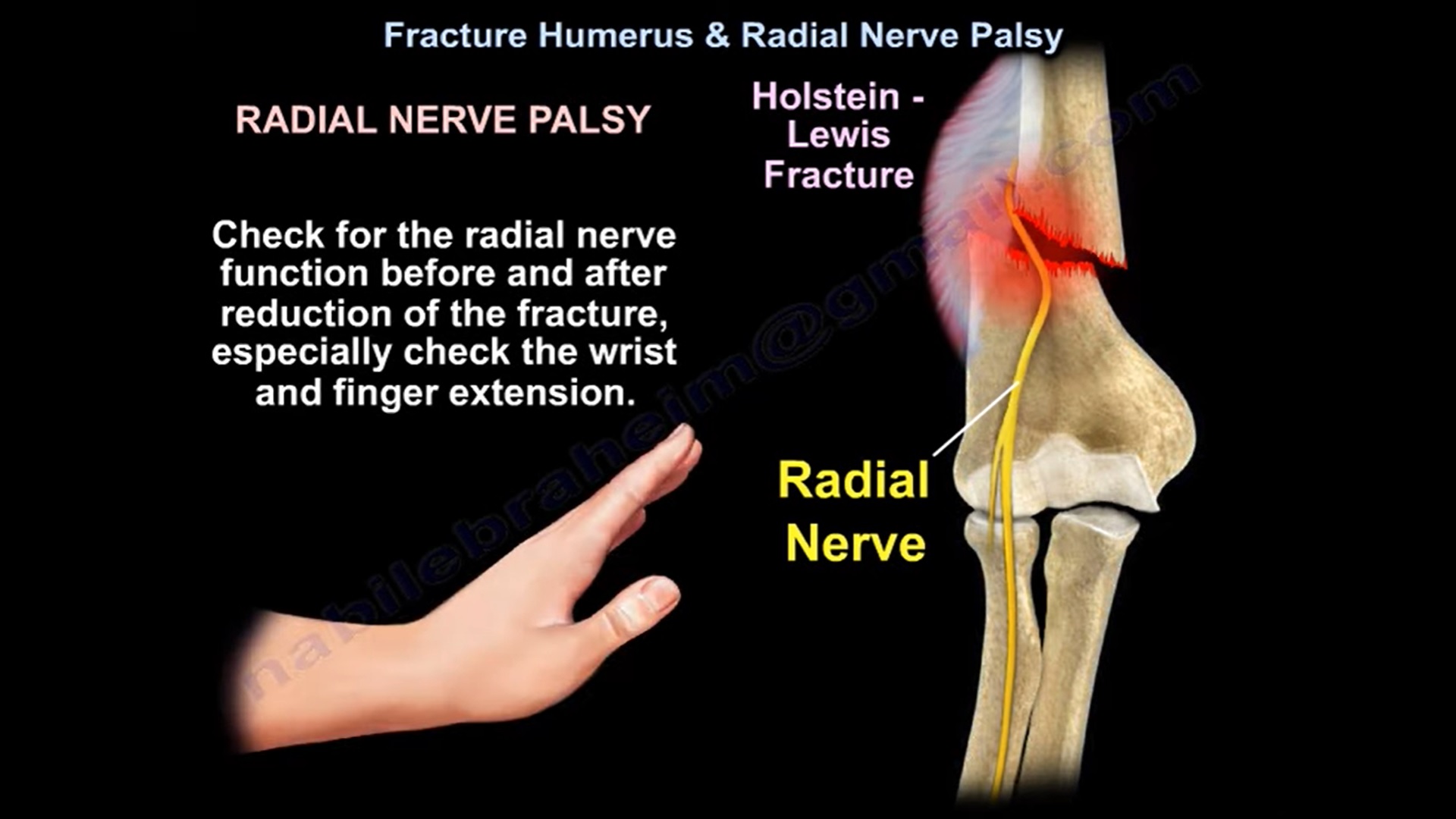
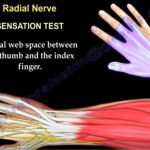
4. Radial Nerve Palsy
Causes
-
Humerus fracture
-
Trauma
-
Surgery
Clinical Features
-
Wrist drop
-
Inability to extend the wrist
-
Inability to extend the fingers
-
Inability to perform the “hitchhike” sign (thumb extension)
5. Posterior Interosseous Nerve (PIN) Palsy
-
May occur independently of radial nerve palsy.
-
The radial nerve divides into:
-
Posterior interosseous nerve
-
Superficial radial nerve
-
If Posterior Interosseous Nerve Alone is Affected:
-
Inability to extend the fingers
-
Inability to perform hitchhike sign
-
Wrist extension is preserved
Difference from Radial Nerve Palsy:
-
Radial nerve palsy:
-
Wrist drop present
-
Loss of finger extension
-
-
PIN palsy:
-
Wrist extension present
-
Loss of finger extension only
-
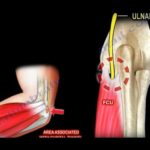
6. Ulnar Nerve Palsy
Clinical Presentation
-
Clawing of the hand
-
Clawing of the fourth and fifth fingers
Commonly Seen In:
-
Low ulnar nerve injury (below the elbow)
Mechanism
-
Weakness of intrinsic hand muscles
-
Flexor digitorum profundus to the ring and little fingers may still function
-
Results in claw deformity of these digits
7. Quadrangular Space Syndrome
-
Involves compression within the quadrangular space.
-
Structures passing through this space:
-
Axillary nerve
-
Posterior humeral circumflex artery
-
-
Compression affects the axillary nerve.
Leave a Reply