
Courtesy: Shan Nanji MD, www.kissanatomy.com
Brachial Plexus Overview
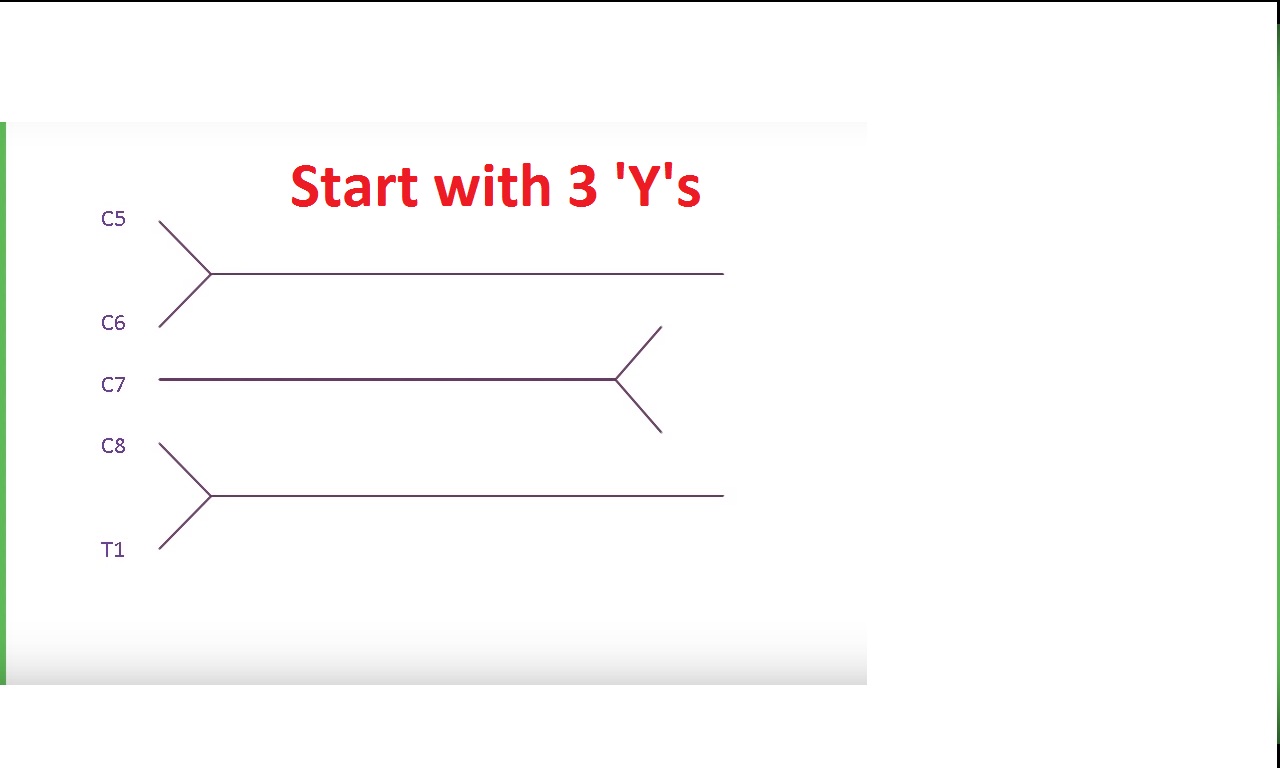
- Brachial plexus arises from nerve roots C5–T1.
- Mnemonic for structure: ‘Reach To Drink Cold Beer’.
- R – Roots.
- T – Trunks.
- D – Divisions.
- C – Cords.
- B – Branches.
Roots and Long Thoracic Nerve
- Roots: C5, C6, C7, C8, T1.
- Long thoracic nerve arises from C5–C7.
- Supplies serratus anterior muscle.
- Injury results in medial winging of the scapula.
Terminal Branches Mnemonic
- Mnemonic: ‘Most Alcoholics Must Really Urinate’.
- M – Musculocutaneous nerve.
- A – Axillary nerve.
- M – Median nerve.
- R – Radial nerve.
- U – Ulnar nerve.
Musculocutaneous Nerve
- Motor: anterior flexor compartment of arm (biceps, brachialis, coracobrachialis).
- Function: elbow flexion.
- Sensory: lateral forearm.
- Injury causes weakness of elbow flexion.
Axillary Nerve
- Runs posterior to surgical neck of humerus.
- Motor: deltoid and teres minor.
- Function: shoulder abduction from 15° to 90°.
- Sensory: lateral shoulder (regimental badge area).
- Injury commonly occurs with surgical neck fractures.
Median Nerve
- Runs anterior to elbow and between heads of pronator teres.
- Motor: lateral wrist flexors, thenar muscles, and first two lumbricals.
- Thenar muscles supplied by recurrent branch of median nerve.
- Sensory: lateral 3½ fingers on palmar surface and fingertips dorsally.
Median Nerve Injuries
- Carpal tunnel syndrome.
- Supracondylar fracture of humerus.
- Lunate dislocation.
- Clinical signs: thenar atrophy, loss of thumb opposition.
Carpal Tunnel Syndrome
- Compression of median nerve beneath flexor retinaculum.
- Symptoms: numbness, tingling, and sensory loss in lateral 3½ fingers.
- Thenar muscle atrophy may occur.
Radial Nerve
- Runs in radial groove on posterior humerus.
- Motor: triceps, brachioradialis, wrist extensors.
- Sensory: posterior arm and posterior forearm.
- Injury results in wrist drop.
Radial Nerve Injuries
- Fracture of humeral shaft.
- Compression in axilla (‘Saturday night palsy’).
- Improper use of crutches.
Ulnar Nerve
- Passes posterior to medial epicondyle of humerus.
- Motor: medial wrist flexors, hypothenar muscles, interossei, and medial two lumbricals.
- Sensory: medial 1½ fingers on both palmar and dorsal sides.
Ulnar Nerve Injuries
- Medial epicondyle fractures.
- Hook of hamate fractures.
- Leads to inability to abduct/adduct fingers.
- Produces ulnar claw hand (4th and 5th digits).
Brachial Plexus Lesions
- Erb-Duchenne palsy – injury to upper trunk (C5–C6).
- Common causes: trauma or birth injury.
- Arm hangs by side, internally rotated with pronated forearm (‘waiter’s tip’).
Klumpke Palsy
- Injury to lower trunk (C8–T1).
- May occur with Pancoast tumor or traction injury.
- Results in clawing of all fingers due to lumbrical paralysis.

Leave a Reply