
Courtesy: Prof Nabil Ebraheim, University of Toledo, Ohio, USA
Ankle Pain: Causes, Diagnosis, and Clinical Overview
Overview
Ankle pain is a common musculoskeletal complaint with a wide range of causes.
Accurate diagnosis is essential to ensure:
- Appropriate treatment
- Optimal patient outcomes
Anatomical Classification of Ankle Pain
Ankle pain can be broadly classified into four anatomical regions:
- Anterior ankle pain
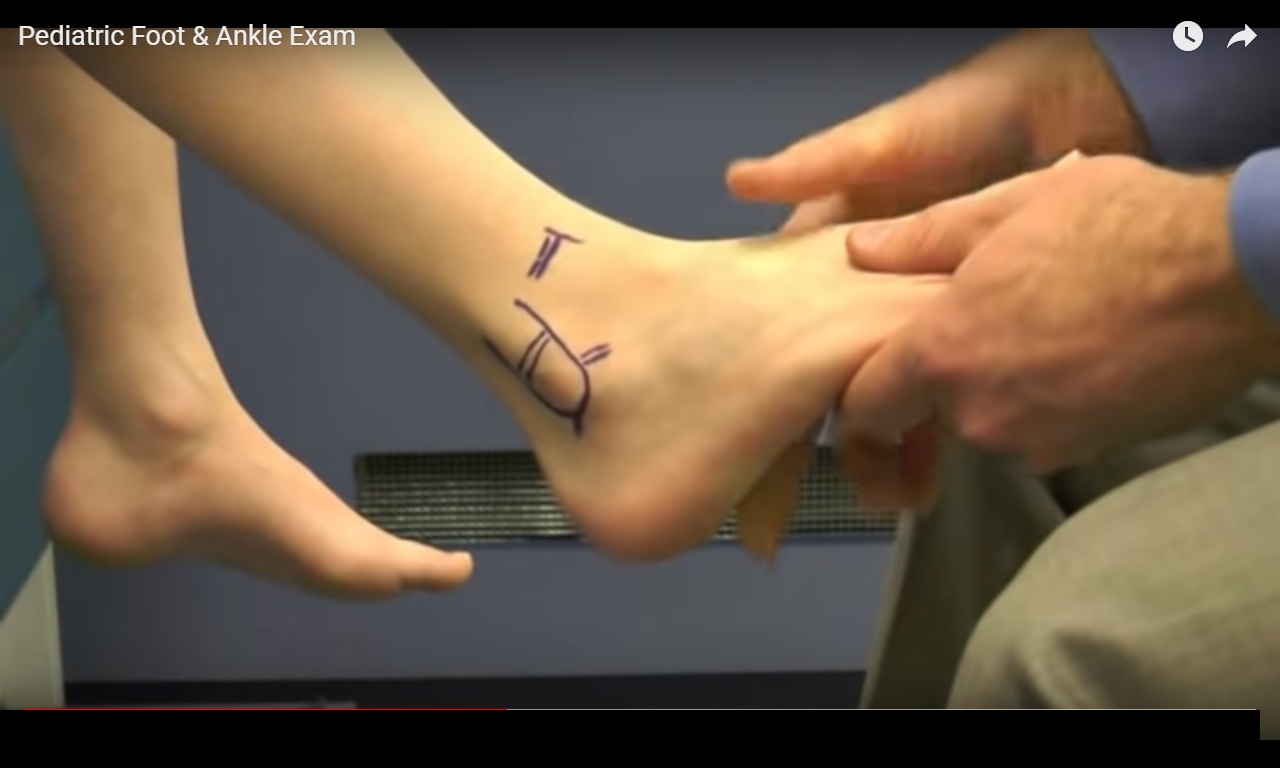
- Medial ankle pain
- Posterior ankle pain
- Lateral ankle pain
Diagnostic Challenge
- Many ankle conditions have overlapping anatomical locations
- Similar symptoms can make diagnosis difficult
- Requires:
- Detailed history
- Focused clinical examination
- Appropriate imaging
Causes of Anterior Ankle Pain
Anterolateral Ankle Impingement
Pathology
- Soft tissue thickening
- Anterior tibial osteophytes
Mechanism
- Impingement against talus during dorsiflexion
Clinical Features
- Painful restriction of ankle motion
Ankle Arthritis
Cause
- Degenerative cartilage changes
- Post-traumatic or inflammatory
Diagnosis
- Clinical examination
- X-ray:
- Joint space narrowing
- Osteophytes
Osteochondral Lesions of the Talus (OLT)
Definition
- Injury to cartilage and subchondral bone
Symptoms
- Pain
- Swelling
- Stiffness
- Locking or catching
Tibialis Anterior Tendinitis
Cause
- Overuse or repetitive activity
Symptoms
- Anterior ankle pain
- Pain with dorsiflexion
Causes of Medial Ankle Pain
Tarsal Tunnel Syndrome
Pathology
- Compression of posterior tibial nerve
Symptoms
- Pain and numbness
- Burning or tingling in medial ankle and plantar foot
Treatment
- Conservative:
- Rest
- Orthotics
- Anti-inflammatory therapy
- Surgical release if persistent
Posterior Tibial Tendon Dysfunction (PTTD)
Function of Tendon
- Maintains medial longitudinal arch
Causes
- Overuse
- Degeneration
- Trauma
Clinical Features
- Pain and swelling (posteromedial ankle)
- Inability to perform single-leg heel rise
- “Too many toes” sign
Consequence
- Adult-acquired flatfoot deformity
Key Anatomical Note
- Rupture occurs in hypovascular zone distal to medial malleolus
Flexor Hallucis Longus (FHL) Tendinitis
Symptoms
- Posteromedial ankle pain
- Pain during great toe movement
- Triggering along tendon sheath
Common In
- Ballet dancers
- Runners
- Jumping sports
Causes of Posterior Ankle Pain
Posterior Ankle Impingement Syndrome
Os Trigonum Syndrome
Pathology
- Accessory bone posterior to talus
Clinical Features
- Posterolateral ankle pain
- Pain with forced plantarflexion
Association
- Often coexists with FHL tendinitis
Achilles Tendinitis
Cause
- Overuse injury
Symptoms
- Posterior ankle pain
- Swelling
- Tendon thickening
Treatment
- Physiotherapy
- Eccentric strengthening
- Surgery rarely required
Achilles Tendon Rupture
Risk Factors
- Increasing age
- Sudden activity increase
- Degeneration
Diagnosis
- Thompson test
- MRI if uncertain
Treatment Options
- Conservative:
- Functional rehabilitation
- Higher re-rupture risk
- Surgical:
- Tendon repair
- Risks:
- Infection
- Wound complications
Causes of Lateral Ankle Pain
Ankle Sprains
Low Ankle Sprain (Common)
- Injury to:
- ATFL
- CFL
Treatment
- Conservative management
High Ankle Sprain (Syndesmotic Injury)
Features
- Injury to distal tibiofibular syndesmosis
- More severe
Diagnosis
- Stress radiographs
- CT scan if needed
Treatment
- Immobilization
- Physiotherapy
- Occasionally surgical stabilization
Conditions Mimicking Ankle Sprain
Peroneal Tendon Subluxation
- Due to superior peroneal retinaculum injury
- Tendons dislocate behind fibula
Peroneal Tendon Rupture
- Commonly involves peroneus longus
- May involve os peroneum displacement
Peroneal Tendinitis
- Inflammation of peroneal tendons
Fractures Mimicking Ankle Sprain
- Anterior process fracture of calcaneus
- Lateral process fracture of talus
- “Snowboarder’s fracture”
Key Clinical Points
- Many ankle pathologies present with similar symptoms
- Always consider differential diagnosis
- Accurate diagnosis requires:
- Detailed history
- Focused examination
- Appropriate imaging
Take-Home Message
- Classifying ankle pain by anatomical location simplifies diagnosis
- Overlapping symptoms require careful evaluation
- Early and accurate diagnosis leads to better outcomes and targeted treatment
Leave a Reply