
Courtesy: Prof Nabil Ebraaheim, University of Toledo, Ohio, USA
Origin
-
Posterior surface of the radius
-
Interosseous membrane of the forearm
Insertion
-
Base of the proximal phalanx of the thumb
Nerve Supply
-
Posterior interosseous nerve
Function
-
Extension of the thumb at the metacarpophalangeal joint
Anatomical Relationships
-
Forms the lateral border of the anatomical snuffbox
-
Lies in the first dorsal extensor compartment of the wrist
-
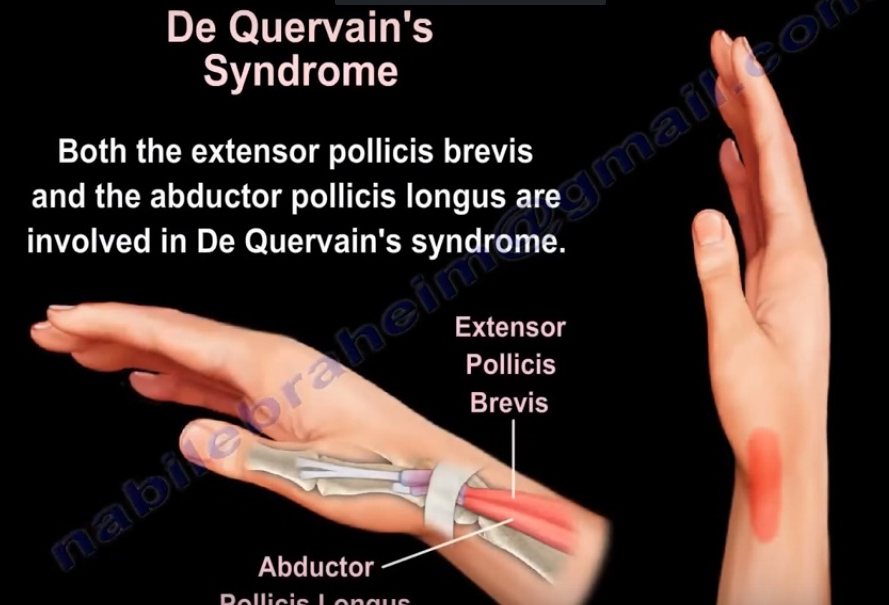
Shares this compartment with the abductor pollicis longus tendon
Clinical Importance
De Quervain’s Tenosynovitis
-
Involves inflammation of:
-
Extensor pollicis brevis
-
Abductor pollicis longus
-
-
Common epidemiological features:
-
More frequently seen in women
-
Often associated with the postpartum period
-
Anatomical Variation
-
The extensor pollicis brevis tendon may lie in a separate subcompartment
-
Failure to recognize this variation during surgery can lead to:
-
Incomplete decompression
-
Persistent symptoms after release of the first dorsal compartment
-
Clinical Features
-
Pain over the radial aspect of the wrist, often present even at rest
-
Localized tenderness over the first dorsal extensor compartment
-
Pain aggravated by thumb movements and wrist deviation
Clinical Test
Finkelstein Test
-
The patient makes a fist with the thumb tucked inside the fingers
-
The wrist is deviated toward the ulnar side
-
The test is considered positive if:
-
Sharp pain is elicited over the radial side of the wrist
-
Indicates inflammation of the tendons within the first dorsal compartment
-
Key Points for Clinical Practice
-
Always consider anatomical variations of the extensor pollicis brevis tendon
-
Incomplete surgical release is a common cause of treatment failure
-
Accurate clinical examination and anatomical understanding are essential for optimal outcomes



Leave a Reply